Introduction
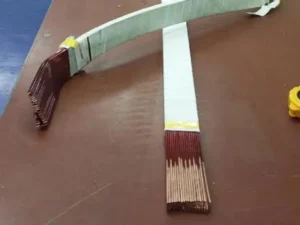
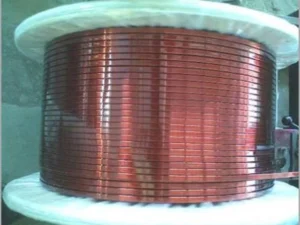
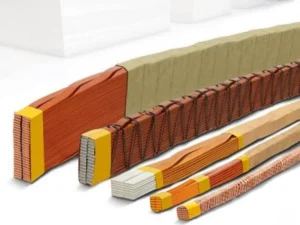
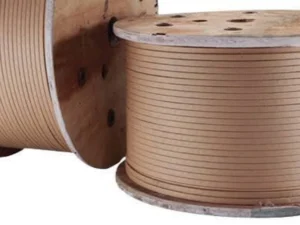
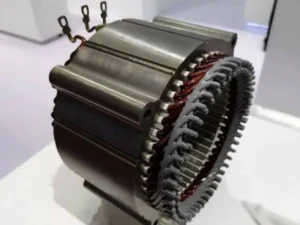
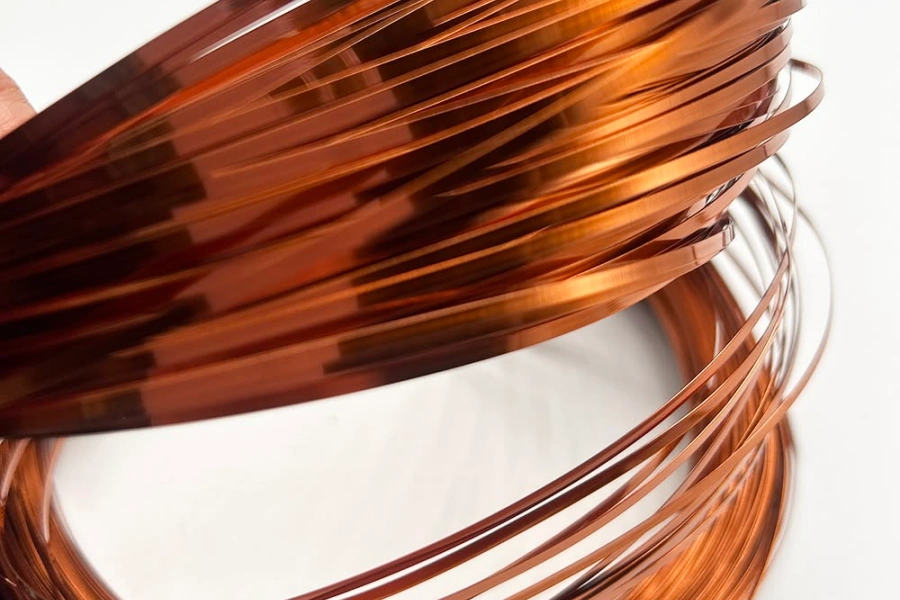
Rectangular copper wire (also named motor flat magnet wire) is the core winding conductive material of driving motors, servo motors, transformers and high-power electrical equipment. Its rectangular cross-section improves winding filling rate by 15% compared with round copper wire, effectively reducing motor copper loss and energy consumption. Manufacturing qualified rectangular copper wire manufacturing requires strict control of cross-section dimension, edge R angle, surface smoothness and mechanical elongation. Many manufacturers face problems such as inconsistent rectangular wire edge size and cracking during winding due to immature rolling forming process. This article introduces full manufacturing technology of motor dedicated rectangular copper wire, including raw material selection, rolling forming process, precision control and electrical performance testing. Basic flat wire rolling technical framework can be learned via copper flat wire production process; general copper rolling process overview is at copper rolling process guide.
Special Raw Material Requirements for Motor Rectangular Copper Wire
Motor winding has high requirements for copper conductivity and ductility, only two copper grades are applicable:
- OFC Oxygen-Free Copper C10200 (99.99% purity): Preferred for new energy vehicle drive motor rectangular wire, conductivity ≥102% IACS, low high-frequency loss
- ETP Copper C10100: For industrial servo motor, low cost, stable conductivity at medium frequency
Raw copper rod pretreatment standards:
- Surface oxide fully removed by ultrasonic cleaning
- Pre-annealing to elongation ≥30% to avoid cracking during multi-pass rectangular rolling
- Raw rod diameter tolerance controlled within ±0.005mm to guarantee uniform rolling deformation
Complete Manufacturing Process of Rectangular Copper Wire for Motors
Step 1: Pre-Drawing Diameter Standardization
Large copper rod passes multi-pass wire drawing machine to reach target incoming diameter for rolling; tension control ensures uniform rod diameter, process comparison at copper rolling mill vs drawing machine.
Step 2: Multi-Stand Rectangular Precision Cold Rolling (Core Forming Step)
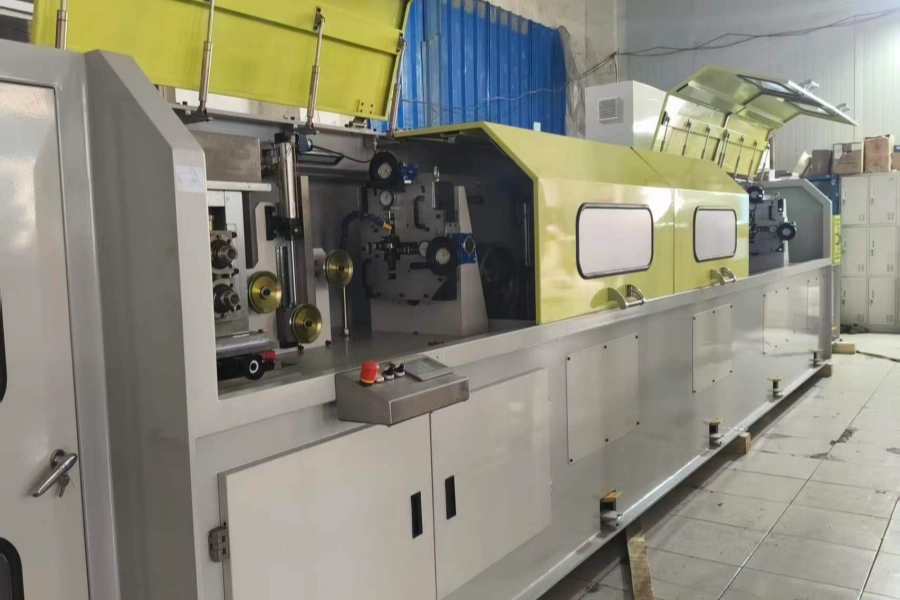
Adopt customized rectangular profiling rolls; multi-pass progressive rolling gradually shapes round copper rod into standard rectangular cross-section:
- Two-roll mill: General standard rectangular copper wire for small motors
- Four-roll precision rolling mill: High-tolerance rectangular wire for new energy automotive motors, thickness tolerance ≤±0.005mm, detailed advantages in 4-roll copper rolling mill precision advantages
- Key control point: Edge R angle of rectangular wire adjusted by roll edge arc, R value customized 0.03–0.2mm to prevent enamel insulation film rupture during tight winding
Step 3: Online Stress Relief Annealing
Cold rolling produces large residual stress; inline continuous annealing at 380–480℃ restores copper ductility, finished rectangular wire elongation ≥28% to adapt automatic high-speed winding machines
Step 4: Closed-Loop Dimensional & Surface Inspection
- Laser detector real-time monitor rectangular wire thickness, width and edge R value, automatic roll gap adjustment
- CCD surface vision inspection detects micro scratches, burrs and oxidation defects
Step 5: Finishing, Enamel Coating Preparation & Automatic Winding
Clean residual rolling lubricant via air knife; wind finished rectangular copper wire into standard uniform coils for enameled wire processing factories.
Mandatory Quality Standards for Motor-Grade Rectangular Copper Wire
| Index | Standard Requirement | Motor Application Value |
| Thickness Tolerance | ±0.001~±0.01mm | Guarantee uniform winding resistance, stable motor output power |
| Width Tolerance | ±0.002~±0.02mm | Improve winding space filling ratio, reduce motor volume |
| Edge R Deviation | ≤0.01mm | Avoid insulation damage during high-speed winding |
| Straightness | ≤0.3mm/m | Adapt automatic winding equipment, reduce coil defect rate |
| Conductivity | ≥99% IACS | Lower motor energy loss, raise energy efficiency |
Common Production Defects & Targeted Solutions
- Uneven rectangular edge size: Roll gap asynchronous deviation; upgrade servo synchronous drive four-roll rolling stand
- Rectangular wire cracking during winding: Insufficient annealing temperature; adjust inline annealing constant temperature system
- Surface micro scratches: Roll surface polishing failure; regular roll grinding and lubricant filtration maintenance
Conclusion
Manufacturing high-performance rectangular copper wire for motors and electrical equipment relies on matched oxygen-free copper raw materials, customized multi-pass rectangular rolling equipment and full-process closed-loop precision inspection. Strict control of cross-section tolerance and edge R angle directly improves motor winding efficiency and electrical performance. Sky Bluer Environmental Technology Co., Ltd develops dedicated turnkey rectangular copper wire rolling production lines for new energy and industrial motor manufacturers, supporting customized roll profiles, inline annealing and full online detection systems, with professional motor wire process engineers to provide free production parameter optimization schemes. For the working principle of wide copper strip rolling equipment, visit copper strip rolling mill principle; to compare forming performance of rolling mill and drawing machine, browse copper rolling mill vs drawing-machine.