Introduction
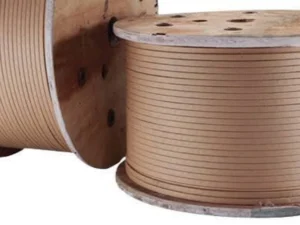
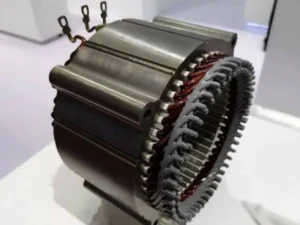
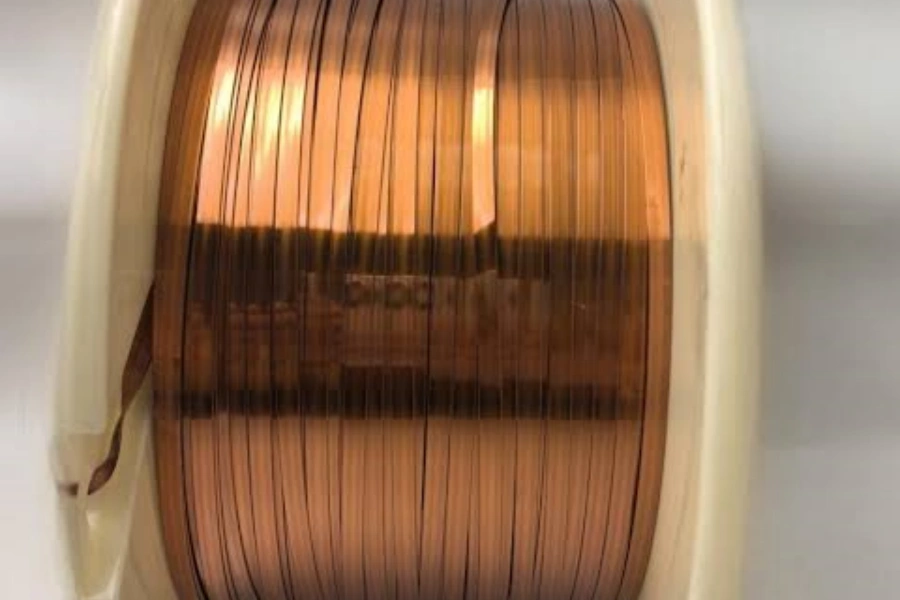
Copper rolling is the foundational cold-forming manufacturing process used to transform raw copper rods into high-precision flat wire, rectangular profiles, and industrial copper strips. As one of the most critical procedures in electrical metal production, copper rolling directly influences dimensional accuracy, surface quality, electrical conductivity, and mechanical stability of finished copper products. Many metal fabrication companies struggle with inconsistent thickness, edge defects, low production yield, and unstable conductivity due to incomplete rolling process control and outdated equipment configuration. This comprehensive guide breaks down the entire industrial copper rolling workflow, including raw material selection, pre-treatment steps, multi-pass rolling procedures, quality inspection standards, and common troubleshooting methods. This article serves as the core pillar of our copper flat wire topic cluster. For targeted production workflows, refer to our detailed flat wire manufacturing guide at copper flat wire production process.
Industrial Grade Copper Material Selection for Rolling
Different copper grades deliver vastly different rolling performance and final product quality. Industrial copper rolling production mainly adopts two mainstream copper materials, each with unique conductivity, ductility, and application boundaries. Choosing the correct copper grade is the first step to stable rolling output and qualified finished products.
| Copper Grade | Purity Level | Conductivity | Best Rolling Applications |
| ETP C10100 Copper | 99.90% | 100% IACS | General flat copper wire, power strip, standard motor conductors |
| OFC C10200 Oxygen-Free Copper | 99.99% | 102% IACS | Ultra-precision flat wire, aerospace profiles, automotive motor rectangular wire |
Before rolling, all copper rods must undergo ultrasonic cleaning to eliminate surface oxidation, oil residues, and metal particles. Hardened copper materials also require intermediate annealing treatment to restore ductility and prevent wire breakage during multi-pass compression rolling.
Step-by-Step Industrial Copper Rolling Workflow
Modern industrial copper rolling is a fully continuous automated process consisting of six standardized stages. Each step is precisely controlled to ensure micron-level dimensional stability and uniform metal microstructure.
- Payoff and Straightening: Constant-tension servo payoff systems release copper rods steadily. Multi-direction straightening rollers eliminate torsion, bending, and axial deviation to guarantee uniform rolling pressure distribution.
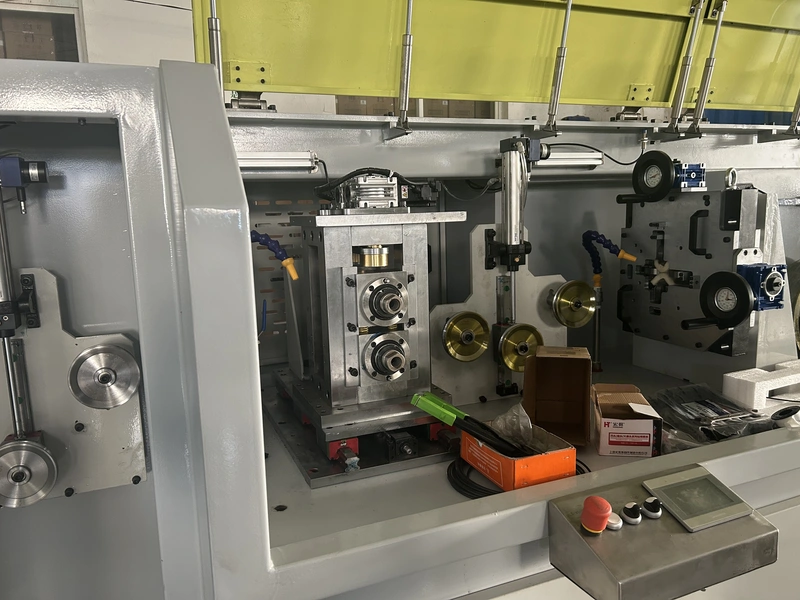
- Multi-Pass Cold Rolling Forming: Round copper rods are gradually compressed through multiple rolling stands. Each pass reduces thickness moderately to avoid internal stress concentration. For ultra-precision products, 4-roll rolling systems are applied for higher rigidity and stability, as explained at/4-roll-copper-rolling-mill-precision-advantages.
- Lubrication and Temperature Stabilization: Closed-loop circulating lubrication reduces friction between rolls and copper material, while constant-temperature cooling systems stabilize metal deformation and prevent thermal dimensional drift.
- Online Laser Dimension Inspection: High-precision laser sensors continuously detect thickness and width. Real-time data feedback automatically adjusts roll gaps without halting production.
- Post-Rolling Annealing: Cold-rolled copper gains work hardening. Continuous annealing recovers ductility, optimizes conductivity, and prepares wire for winding and insulation coating.
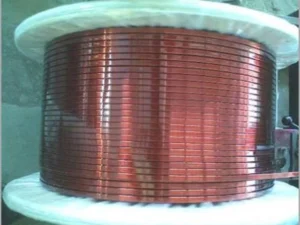
- Finishing and Automatic Coiling: Final surface cleaning, edge calibration, and servo-controlled coiling produce standardized copper coils ready for downstream processing.
Core Quality Control Standards for Copper Rolling
High-standard copper rolling production must follow strict tolerance and performance indicators to meet automotive, electronic, and aerospace industry requirements.
- Thickness tolerance range: ±0.001mm to ±0.05mm based on product grade
- Width tolerance control: ±0.002mm minimum precision
- Finished wire straightness: ≤0.3mm/m
- Surface requirement: Zero scratches, burrs, and oxidation pits
- Conductivity loss after rolling: Controlled below 2%
Common Rolling Defects and Optimization Solutions
Many long-term production issues stem from unstable tension, roll gap deviation, and poor lubrication management. Edge waves, thickness fluctuation, and surface scratches are the three most frequent defects in copper rolling workshops.
Edge waves occur due to uneven roll pressure and asymmetric gaps. Installing synchronous servo roll gap adjustment and horizontal wire guides effectively solves this problem. Thickness fluctuation is mainly caused by unstable tension control; upgrading closed-loop constant-tension payoff and take-up systems greatly improves consistency. Surface scratches are usually from contaminated lubricant, requiring regular oil filtration and magnetic impurity removal systems.
Conclusion
Professional copper rolling processing relies on standardized raw material pretreatment, multi-pass precision cold rolling, real-time online detection, and scientific post-rolling annealing procedures. Systematic process control significantly reduces defective rates, improves production efficiency, and ensures stable electrical and mechanical performance of finished copper wire and strip products. Sky Bluer Environmental Technology Co., Ltd provides full-turnkey copper rolling production lines integrating drawing, rolling, annealing, and automatic packaging, delivering high-precision, high-stability manufacturing solutions for global copper processing enterprises. To learn more about equipment selection and process comparison, visit copper strip rolling mill principle.