Cassette Roller Dies for Wire Drawing
Our high-precision modular cassette roller dies are built for wire drawing production
- About Company
What Are Cassette Roller Dies?
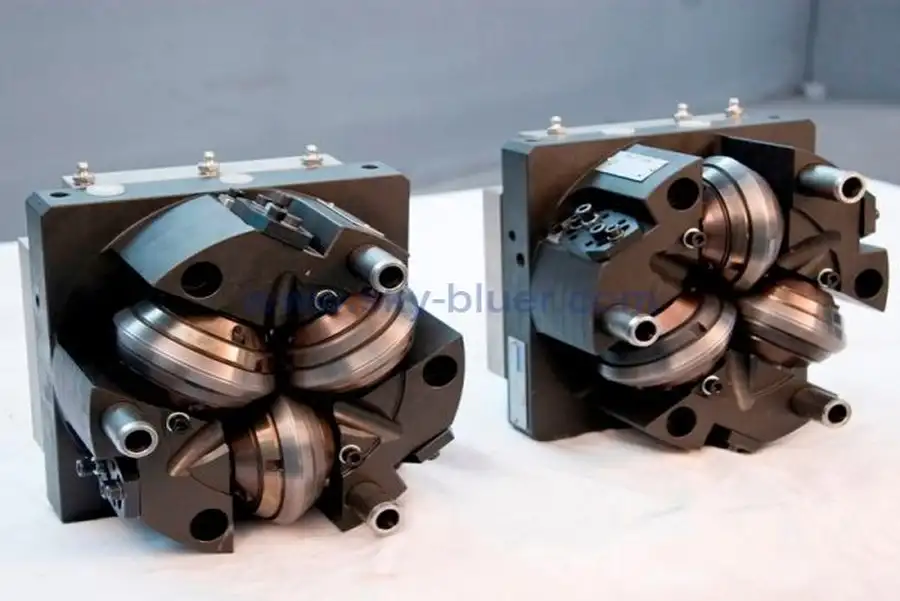
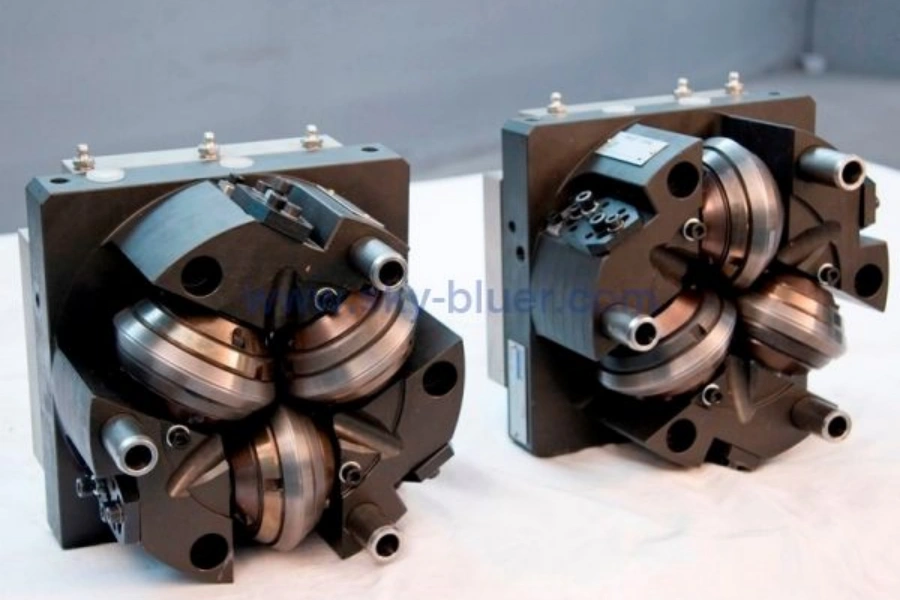
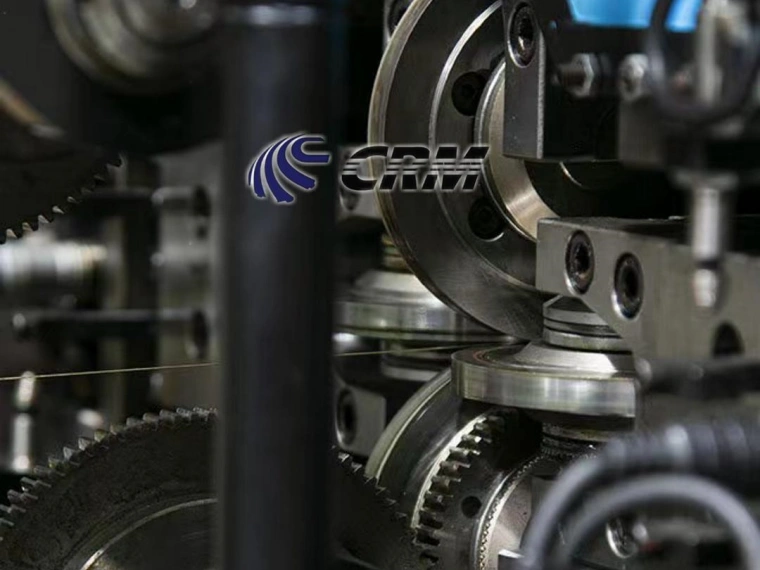
Cassette roller dies (also called rolling cassettes or cassette roller die systems) are advanced modular components used in metal wire drawing lines. They combine rolling and drawing principles to precisely control the plastic deformation of metal wires.
Unlike traditional drawing dies that rely on sliding friction, cassette roller dies use rolling contact between rollers and wire, reducing friction, improving surface finish
They are widely applied in industrial wire manufacturing, including:
- Low carbon steel
- Stainless steel
- Titanium
- Alloy steel
- High carbon steel
- Flux-cored wire (FCW)
- About Company
Modular Cassette Roller Dies for High-Precision Wire Drawing
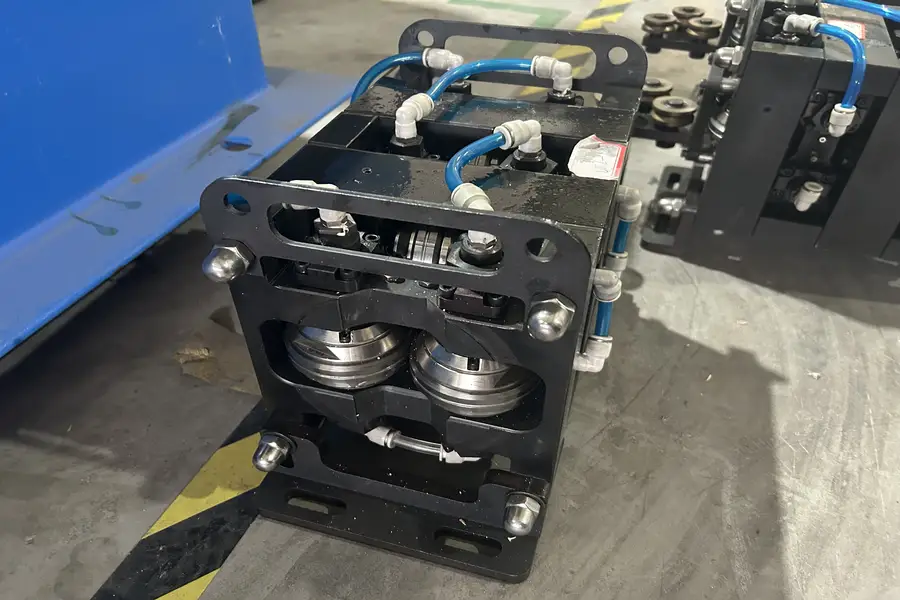
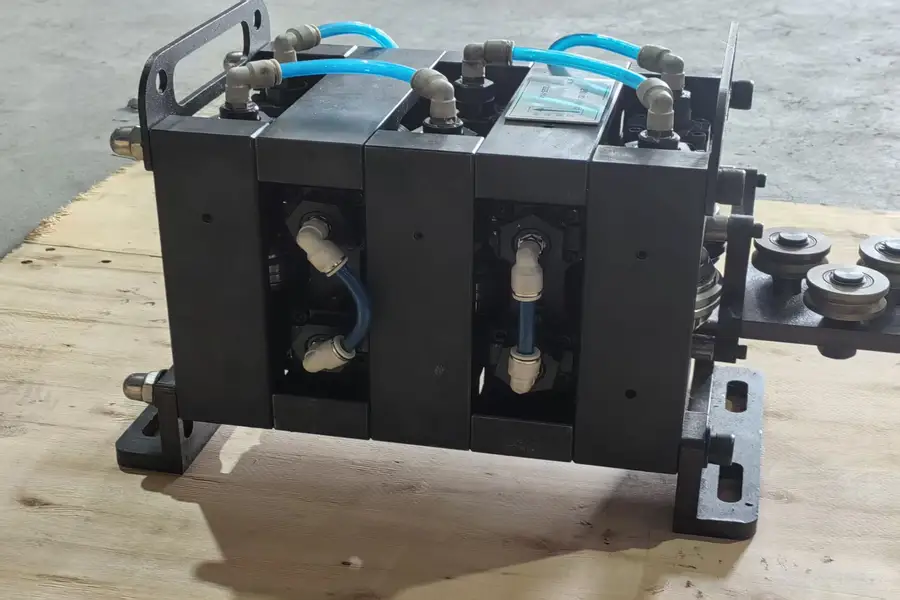
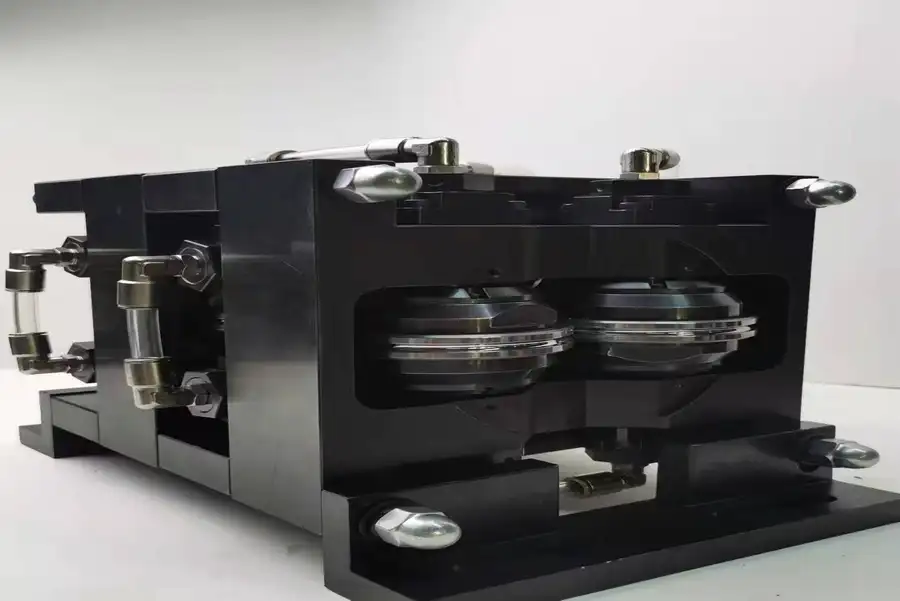
Cassette roller dies are modular units installed in wire drawing machines. Each cassette contains a set of rollers arranged to gradually reduce wire diameter while maintaining dimensional accuracy.
Key characteristics:
- Modular cassette structure for quick replacement
- Rolling-based deformation instead of sliding friction
- Suitable for multi-pass drawing systems
- Designed for integration into high-speed production lines
- About Company
Working Principle
The working principle of cassette roller dies is based on controlled rolling deformation:
- Wire enters the cassette module
- It passes through a set of rollers arranged in calibrated geometry
- Each roller applies compressive force to reduce the wire diameter
- The reduction is distributed across multiple contact points
- The wire exits with improved surface finish and controlled dimensions
Compared to traditional dies:
- Contact is rolling instead of sliding
- Friction is significantly reduced
- Heat generation is lower
- Tool wear is minimized
Structure of Cassette Roller Dies
Cassette Roller Die is a high-precision modular core component for fine wire drawing machines, which integrates high-precision carbide drawing rollers, wear-resistant drawing dies, wire guides and a closed lubrication circuit into a standardized cassette housing. With an optimized internal wire path, it can effectively reduce wire tension during the drawing process, avoid wire breakage, and ensure stable wire diameter and coating thickness even in high-speed production.
A typical cassette roller die consists of the following components:
Cassette Housing
- Rigid mechanical structure
- Ensures alignment and stability
- Made from hardened alloy steel
Roller Elements
- Typically 2–4 rollers per cassette
- Materials:
- Tungsten carbide
- Tool steel with coatings (TiN, CrN)
Bearings
- High-precision industrial bearings
- Designed for continuous operation and high speeds
Adjustment System
- Mechanical fine adjustment system
- Controls roller spacing and alignment
- Ensures dimensional consistency
Typical Wire Sizes, Pass Schedules and Applications
A typical cassette roller die consists of the following components:
Low Carbon Steel Wire
Applications: nails, mesh wire, construction wire
- Inlet diameter: 5.5 – 8.0 mm
- Final diameter: 0.5 – 3.0 mm
- Total reduction: ~85% – 95%
- Passes: 10 – 20
- Reduction per pass: 10% – 25%
Stainless Steel Wire
Applications: medical wire, filtration, spring wire
- Inlet diameter: 5.5 – 6.5 mm
- Final diameter: 0.1 – 2.0 mm
- Total reduction: ~80% – 95%
- Passes: 12 – 25
- Reduction per pass: 5% – 15%
Titanium Wire
Applications: aerospace, medical implants
- Inlet diameter: 3.0 – 6.0 mm
- Final diameter: 0.2 – 1.5 mm
- Total reduction: ~70% – 90%
- Passes: 10 – 20
- Reduction per pass: 5% – 10%
Alloy Wire
Applications: high-temperature and corrosion-resistant parts
- Inlet diameter: 2.5 – 5.5 mm
- Final diameter: 0.1 – 2.0 mm
- Total reduction: ~75% – 95%
- Passes: 12 – 30
- Reduction per pass: 5% – 12%
High Carbon Steel Wire
Applications: springs, tire cord
- Inlet diameter: 5.5 – 8.0 mm
- Final diameter: 0.3 – 2.5 mm
- Total reduction: ~80% – 95%
- Passes: 12 – 25
- Reduction per pass: 8% – 18%
Flux-Cored Wire (FCW)
Applications: welding consumables
- Final diameter: 0.8 – 2.0 mm
- Passes: 8 – 20
- Reduction per pass: 5% – 20%
- About Company
Role in Wire Drawing Lines
Cassette roller dies are typically used in multi-pass drawing systems together with:
- Pay-off units
- Capstans
- Lubrication systems
- Cooling systems
- Take-up units
They enable:
- Stable deformation across multiple passes
- Reduced friction and heat
- Improved surface finish
- Higher production efficiency
- About Company
Advantages for Rolling Casstte
- Lower friction and heat generation
- Improved surface quality
- Longer tool life
- Reduced wire breakage
- Better dimensional consistency
- Suitable for high-speed production
- About Company
Engineering Support and Turnkey Solutions from SKY BLUER
In addition to cassette roller dies, SKY BLUER provides complete engineering solutions for wire production, including:
- Wire drawing line layout design
- Process planning based on material and specifications
- Selection of reduction schedules
- Integration of lubrication and cooling systems
- Equipment configuration and automation solutions
SKY BLUER can also deliver turnkey wire production lines, covering design, manufacturing, installation, commissioning, and technical support.
- About Company
Custom High Precision Cassette Roller Dies for Wire Drawing
All our cassette roller dies undergo strict quality inspection before delivery, ensuring stable performance and long service life for your production line. With years of experience in the wire drawing industry, we fully support custom specifications to fit your unique production requirements. Whether you need special parameters for specific wire diameters, or a tailored solution for your drawing machine, our professional team is always here to help. Feel free to contact us anytime to discuss your needs, we will provide you with the most suitable solution to boost your production efficiency.