
Interconnect Ribbon Production Line (CRM2026)
- About Company
Turnkey Interconnect Ribbon Production Line for Solar Cell Interconnection
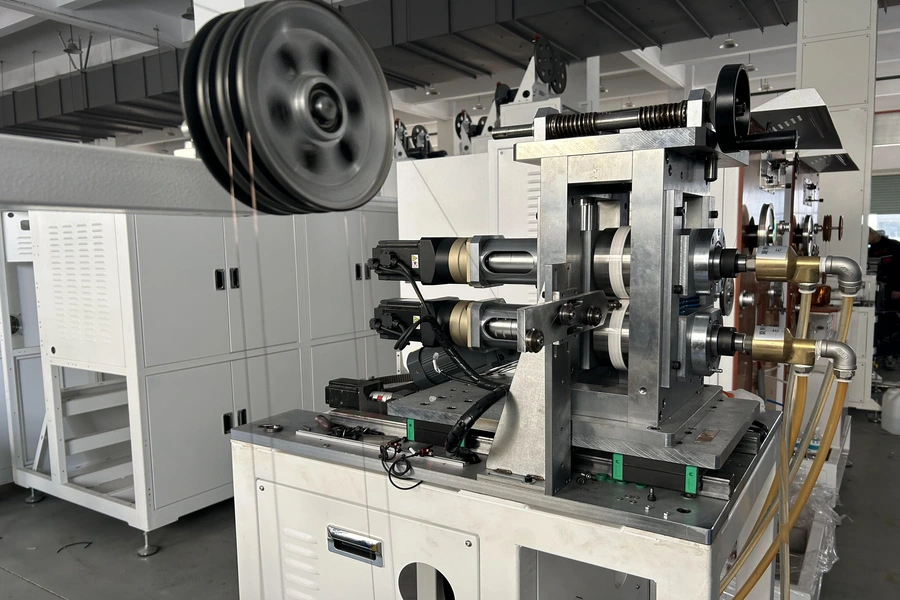
Designed for manufacturing high-precision interconnect ribbons used to electrically connect solar cells in photovoltaic modules, our CRM2026 Interconnect Ribbon Production Line ensures optimal performance, with stable conductivity, uniform thickness, and superior solderability for high-efficiency solar panel manufacturing.
- Suitable for tabbing / interconnect ribbon production
- High precision thickness and width control
- Fully automated continuous production system
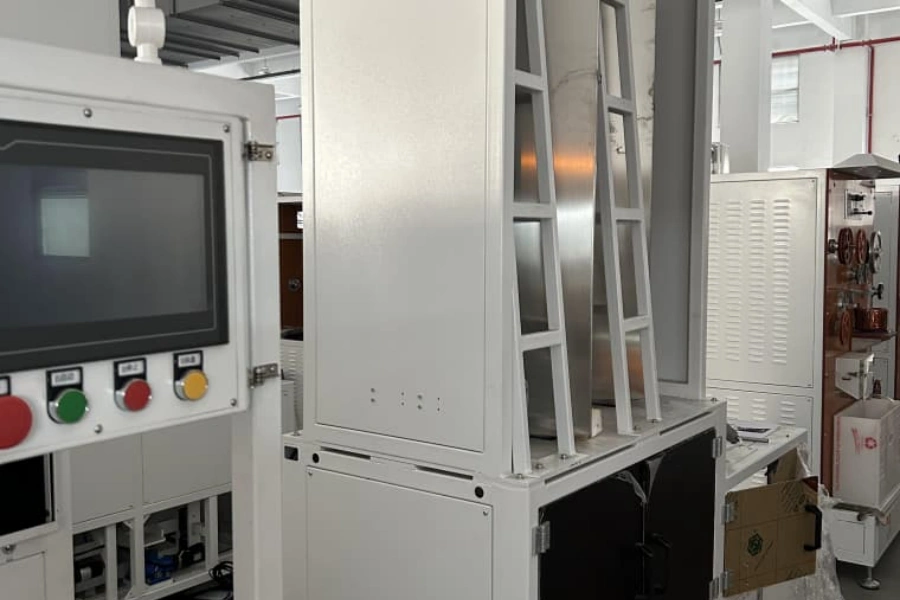
- Customized layout design available
- About Company
What is Interconnect Ribbon?
Interconnect ribbon, also known as tabbing ribbon, is a flat copper conductor used to connect individual solar cells within a photovoltaic module. This essential component enables efficient current transmission between cells, significantly impacting the overall efficiency, performance, and reliability of the module.
Our CRM2026 Interconnect Ribbon Production Line is part of a complete PV Ribbon Production Line solution, covering everything from raw copper wire processing to finished ribbon products for seamless integration into your solar manufacturing process.
- About Company
Production Process Overview
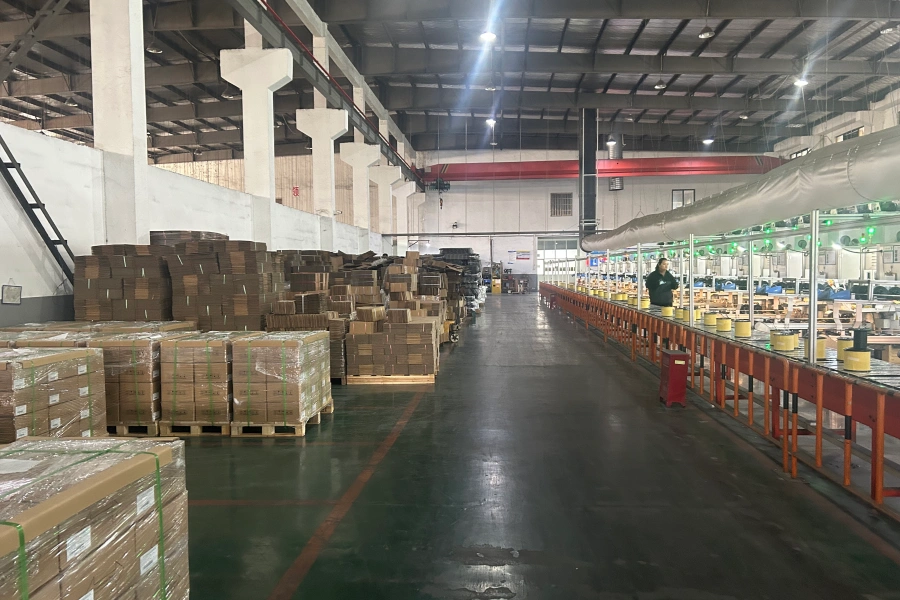
The CRM2026 Interconnect Ribbon Production Line converts copper wire into finished ribbon through a fully automated, continuous manufacturing process. This process ensures consistent high-quality results for your solar module interconnection needs.
The production stages include:
- Multi-stage wire drawing: Coarse, medium, and fine drawing to reduce wire diameter while maintaining material integrity.
- Annealing: Controlled heat treatment to enhance ductility and electrical conductivity.
- Precision rolling: The process that transforms round wire into flat ribbon with exact thickness and width control.
- Surface treatment: Removal of oxidation and contaminants to ensure strong coating adhesion.
- Plating and Solder Flux Application:
- Solder flux application is integrated into the process to ensure uniform adhesion of the tin coating, ensuring superior solderability and improving the ribbon’s long-term performance.
- Tin coating is applied using a fully automated wire feeding system, ensuring precision, consistency, and uniformity across the entire ribbon surface.
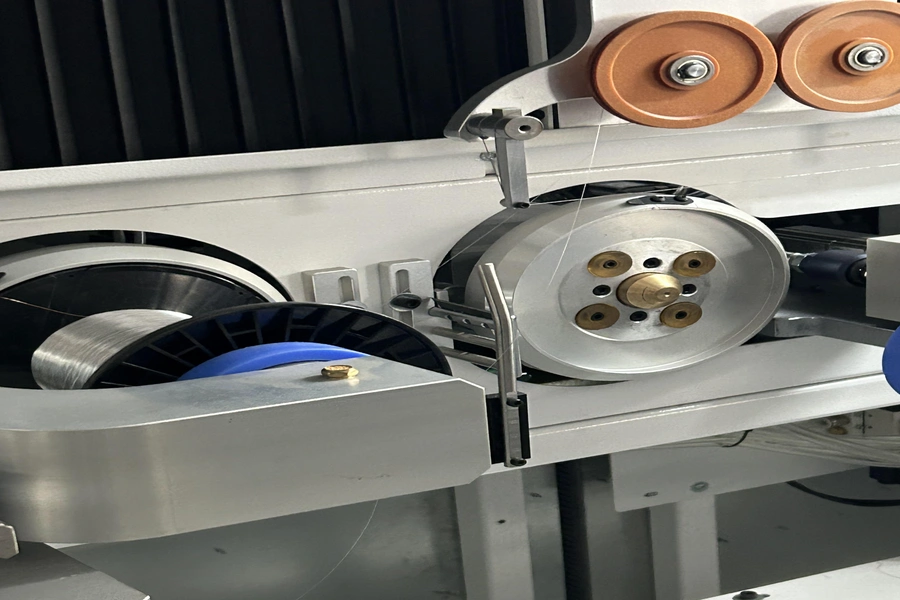
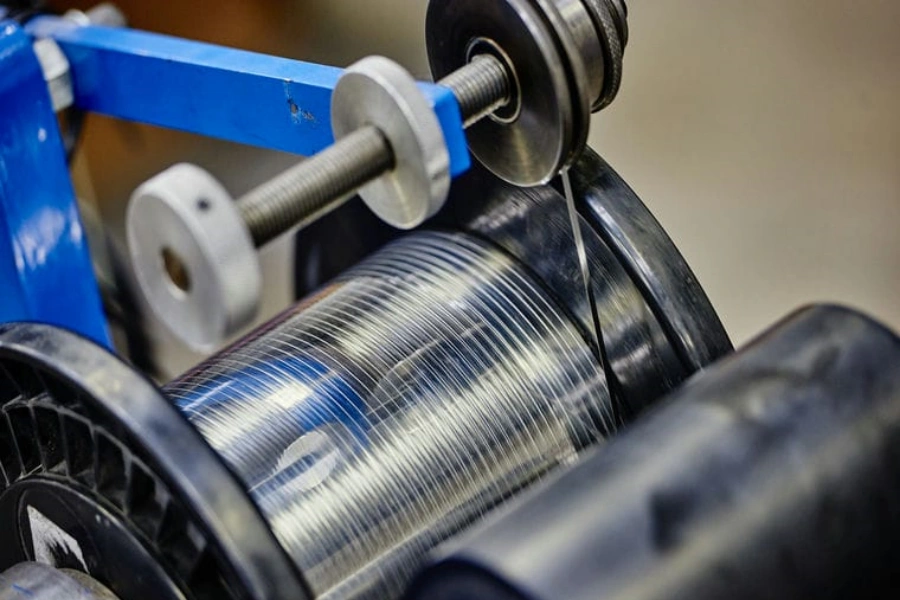
- Controlled winding: Ensures precise tension control for a smooth and consistent finish.
- About Company
Interconnect Ribbon Specifications
Typical Specifications of Interconnect Ribbon Machines
- Thickness: 0.10 – 0.30 mm
- Width: 1.0 – 2.5 mm
- Material: High-purity copper
- Coating: Tin or tin alloy
- Coating Thickness: Customizable
Custom specifications are available based on different solar cell technologies, including PERC, TOPCon, and HJT. We tailor our production lines to meet the specific demands of your solar modules, ensuring the highest quality and efficiency.
Configuration of Interconnect Ribbon Production Line
The complete production line is designed as a continuous and integrated system, consisting of the following core modules:
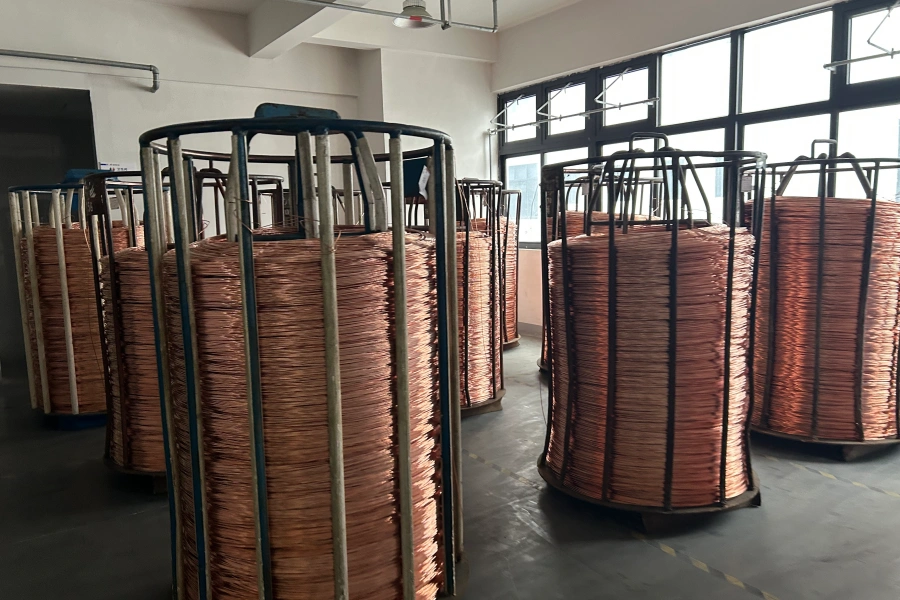
Payoff System
Ensures stable unwinding of copper wire with precise tension control, allowing smooth operation throughout the production process.
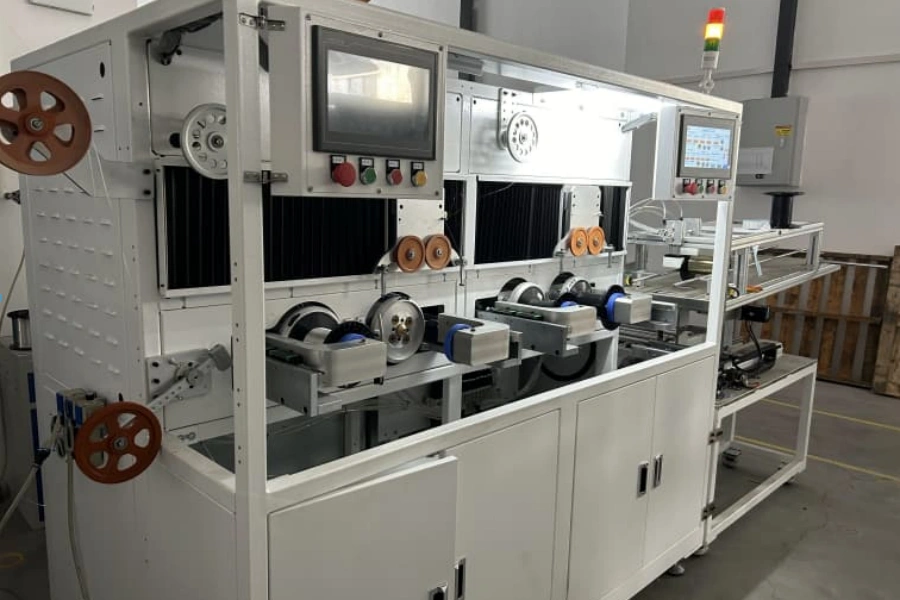
Multi-stage Wire Drawing System
- Rod break down machine
- Intermediate Wire Drawing Machine
- Fine drawing machine
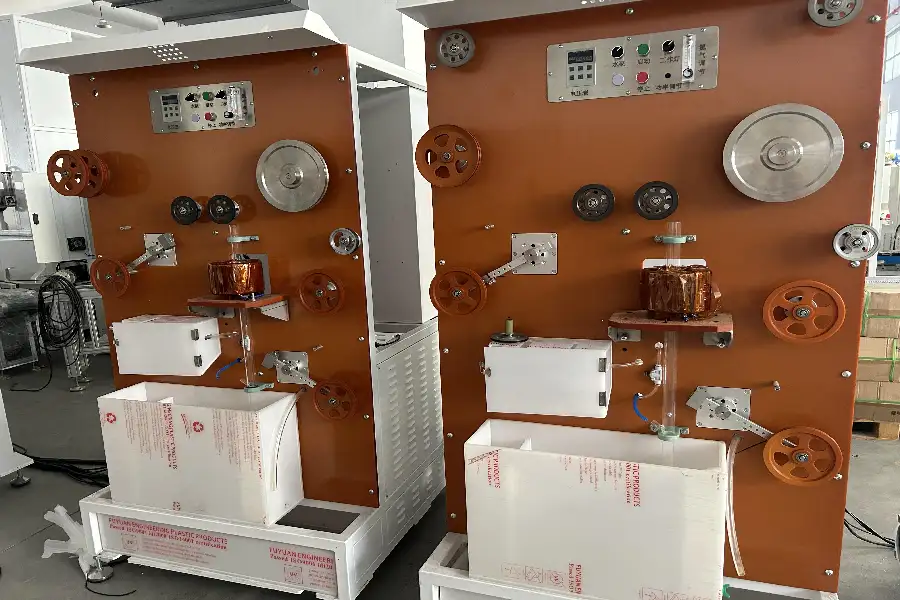
Induction Annealing Furnace
The Induction Annealing Furnace offers energy-efficient heating with precise temperature control, improving the ductility and conductivity of the material
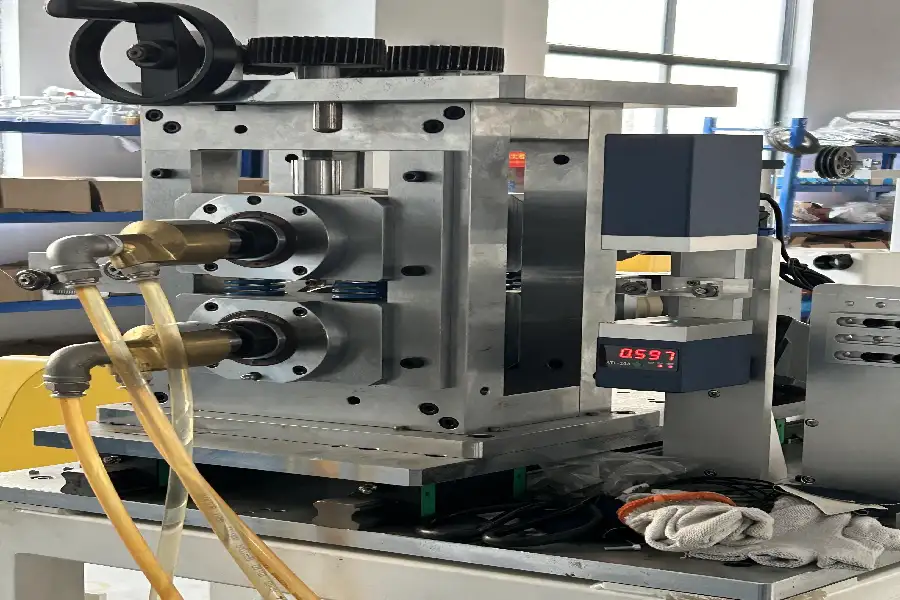
Precision Rolling Mill
Transforms round wire into flat ribbon with precise thickness and width control, which is the heart of the ribbon-forming process.
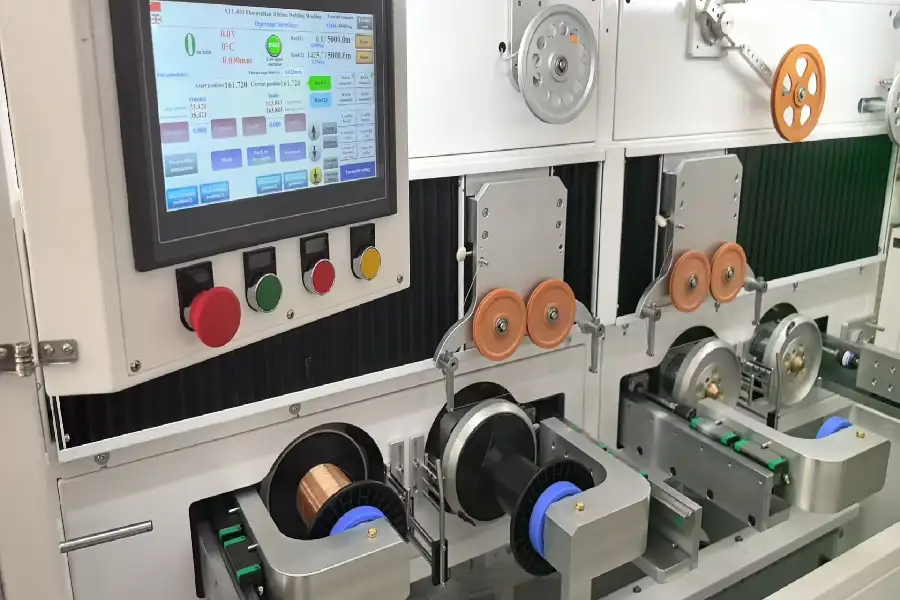
Surface Treatment & Cleaning
Removes oxidation and contaminants from the wire to ensure strong coating adhesion, improving the overall quality of the finished ribbon.
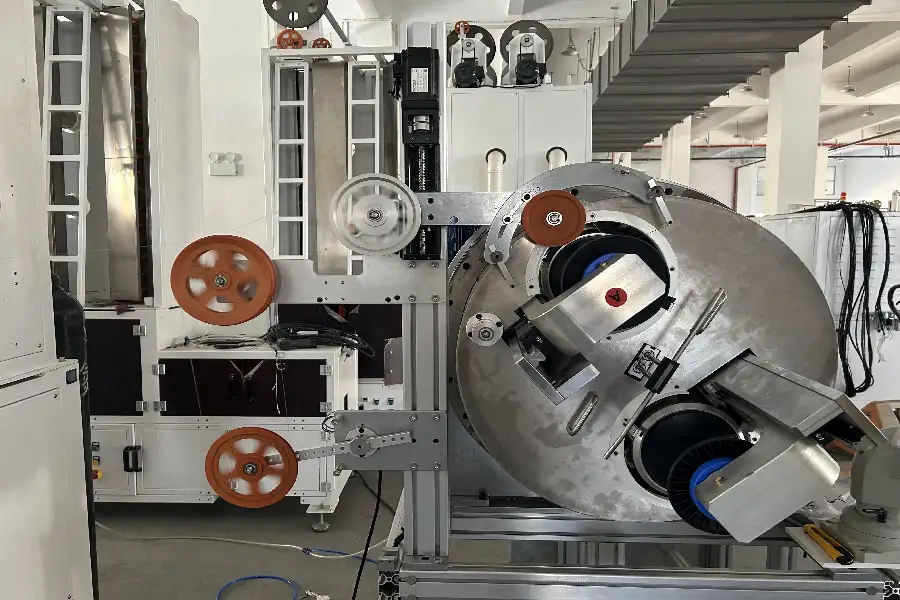
Plating Line with Automatic Tin Coating and Flux Application
Applies a uniform tin or tin alloy coating to improve solderability, corrosion resistance, and long-term reliability of the ribbons. This system uses fully automated wire feeding systems to ensure precision and uniform coating of the ribbons.
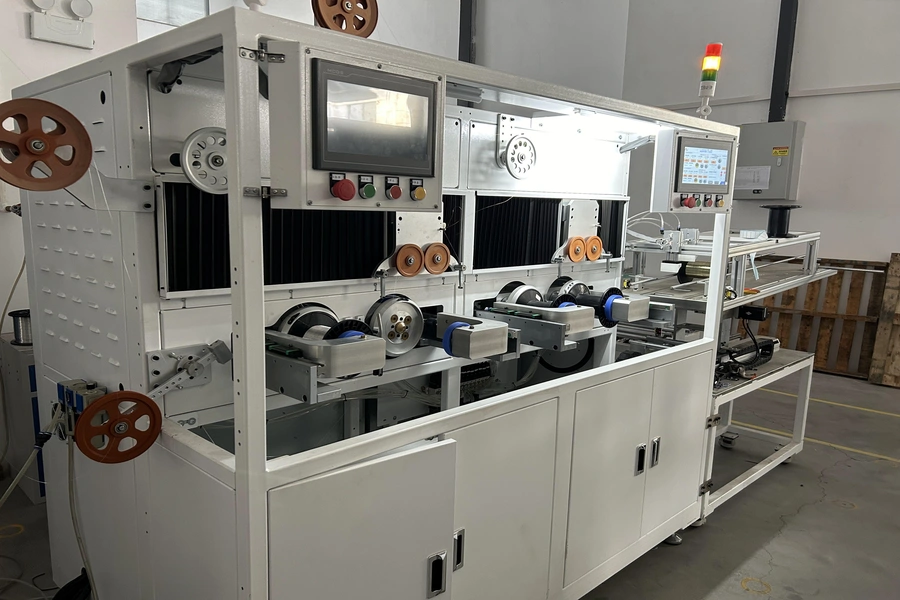
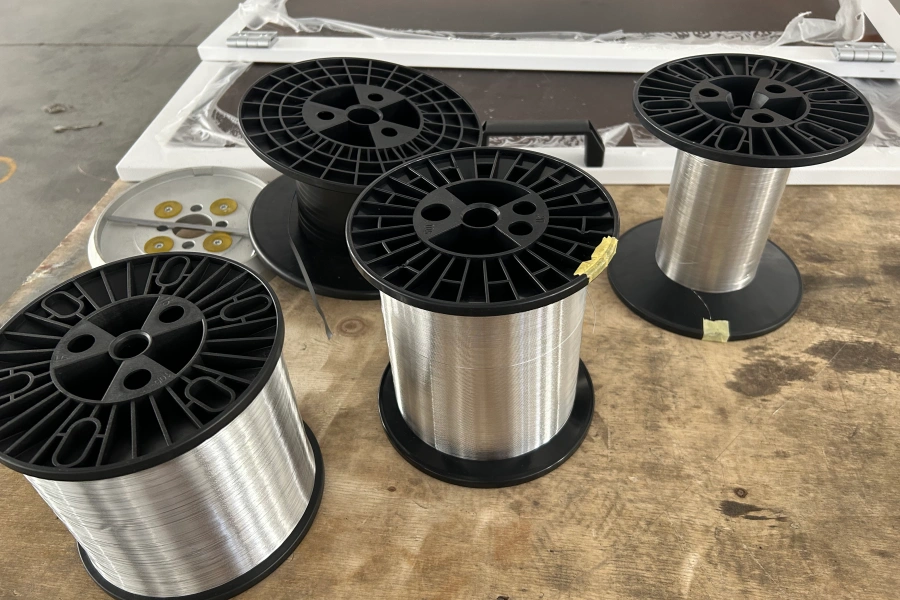
Take-up System
Provides stable tension control and smooth winding of finished ribbon, ensuring consistent output quality.
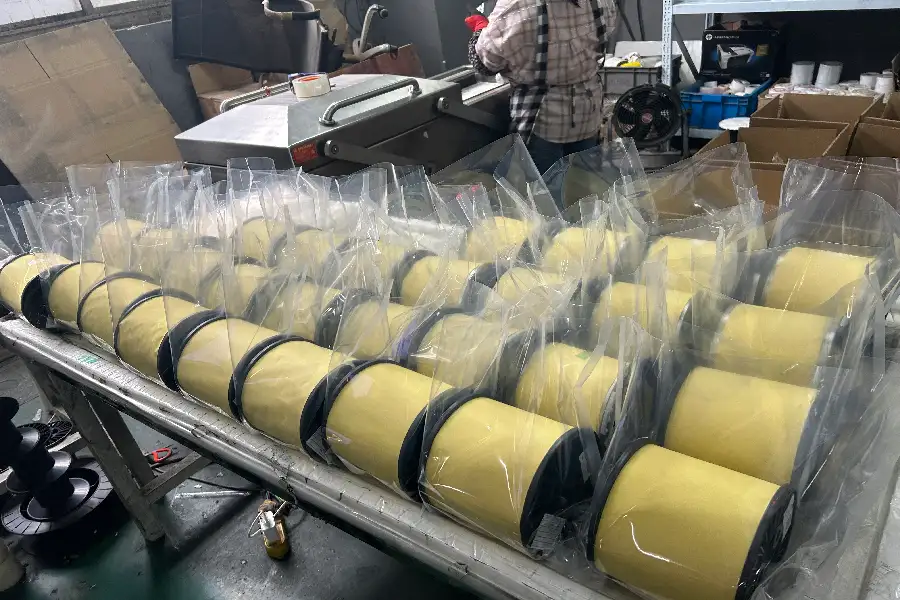
Packaging System (Optional)
Vacuum packaging or standard packaging options are available to protect the ribbon’s surface quality during transportation and storage.
- About Company
Technical Features
- High precisionthickness and width tolerance control
- Excellent coating uniformityand adhesion
- Stable conductivityand low electrical resistance
- High-speed continuous productioncapability
- Fully automated systemwith stable operation
- Automated solder flux applicationand tin coating process for enhanced solderability
- About Company
Applications
- Solar PV modules
- Cell-to-cell interconnection
- High-efficiency photovoltaic panel manufacturing
Common Questions
FAQ
What is the typical tin coating thickness for interconnect ribbon?
The tin coating thickness for interconnect ribbon typically ranges from 3 µm to 6 µm. This thickness is critical to ensure optimal solderability and corrosion resistance, which are essential for maintaining reliable electrical connections between solar cells. The coating also provides excellent adhesion during the soldering process, allowing the ribbon to maintain its performance even in harsh environmental conditions over time.
What is the production speed of the interconnect ribbon production line?
The production speed of an interconnect ribbon production line typically reaches up to 1500 meters per minute for high-efficiency lines, depending on material specifications and machine configurations. The advanced automation systems employed in these lines ensure consistent production rates without compromising the precision required for high-performance solar applications. This speed is crucial for scaling production in large photovoltaic manufacturing facilities.
What type of air knife system is used in the interconnect ribbon production line?
Our interconnect ribbon production line utilizes a high-precision wind knife system, which applies controlled air pressure to ensure uniform thickness and smooth surface quality. The wind knife plays a key role in controlling the tin coating thickness, ensuring that the ribbon has a consistent finish. The system is capable of handling a wide range of ribbon dimensions, with precision air knives designed to operate efficiently at speeds of up to 1500 meters per minute without causing material distortion.
How does the interconnect ribbon production line ensure precise dimensional control?
The line is equipped with multi-stage drawing systems (coarse, medium, and fine drawing) that reduce wire diameter with extreme precision. The precision rolling mill allows for tolerances as tight as ±0.002 mm in both thickness and width. The rolling process ensures a consistent cross-sectional profile, while the tension control system maintains uniform tension throughout the production process. This combination of systems ensures that the final interconnect ribbon meets strict dimensional specifications required for high-efficiency solar modules.
- About Company
Why Choose Us?
- Extensive experiencein PV ribbon production lines
- Complete turnkey solutionfrom raw material to finished product
- Stable and reliable production performance
- Customized engineering designand layout support
- Professional technical supportand after-sales service