Introduction
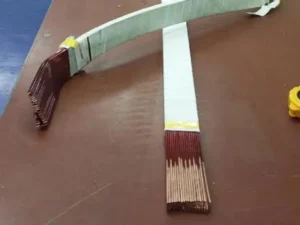
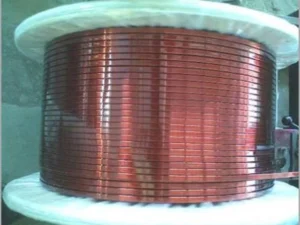
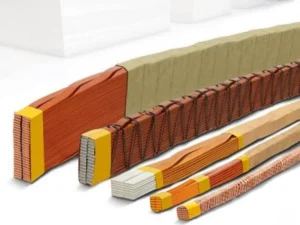
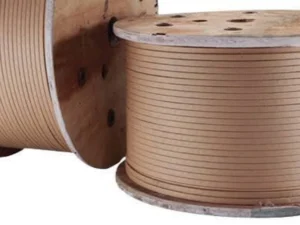
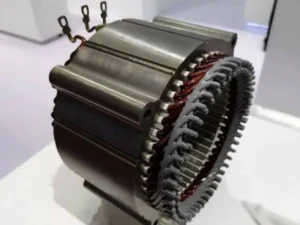
Copper flat wire is an essential conductive material widely used in new energy vehicle motors, high-frequency transformers, photovoltaic solder strips, and precision electronic components. Unlike traditional round copper wire, flat copper wire features a flat cross-section that increases winding density, reduces equipment volume, and improves overall energy efficiency. However, stable flat wire production requires professional rolling technology, precise equipment configuration, and strict process parameter control. Many new manufacturers face edge cracking, uneven size, poor straightness, and low productivity due to unscientific rolling workflows. This article fully elaborates the pre-production preparation, step-by-step rolling process, quality standards, and mass production optimization tips for copper flat wire manufacturing. You can check the overall copper rolling system overview at copper rolling process guide.
Pre-Production Preparation for Flat Wire Rolling
Raw Material Specification Matching
Industrial flat wire production usually adopts round copper rods with diameters ranging from 0.2mm to 3.0mm. After rolling, finished flat wire thickness ranges from 0.1mm to 1.5mm, while width covers 1mm to 25mm. To prevent metal cracking, the single-pass rolling width-to-thickness ratio must be controlled within 8:1. Excessive deformation in a single pass will cause residual stress and edge damage.
Production Line Mode Selection
Manufacturers can choose between two mainstream production configurations according to batch scale and precision requirements:
Independent flat rolling mills are suitable for small-batch, multi-specification flexible production with lower initial investment. Integrated drawing and rolling combined lines are designed for large-scale continuous production, improving overall efficiency by up to 25%. The difference between rolling and drawing technologies is detailed at /copper-rolling-mill-vs-drawing-machine.
Pre-Cleaning and Softening Treatment
Before formal rolling, copper rods must undergo ultrasonic cleaning to remove surface oxides and oil contamination. Hard copper materials require inline annealing treatment to improve ductility, ensuring smooth multi-pass forming without breakage.
Standard Step-by-Step Flat Wire Rolling Process
Constant Tension Payoff and Straightening
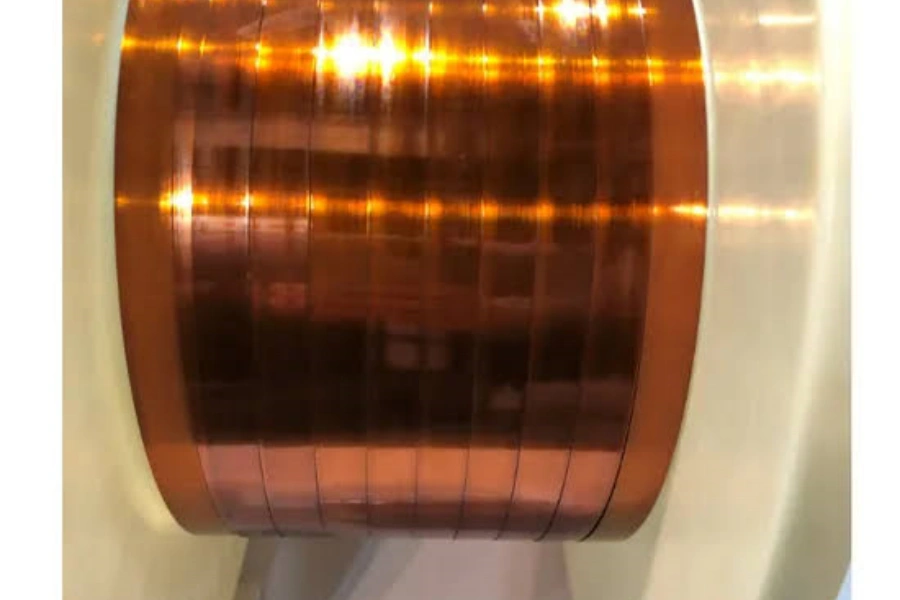
Servo-controlled hydraulic payoff reels ensure stable material release with minimal tension fluctuation. Dual-axis vertical and horizontal straightening eliminates torsion and bending, guaranteeing symmetrical rolling pressure distribution.
Multi-Stand Progressive Cold Rolling
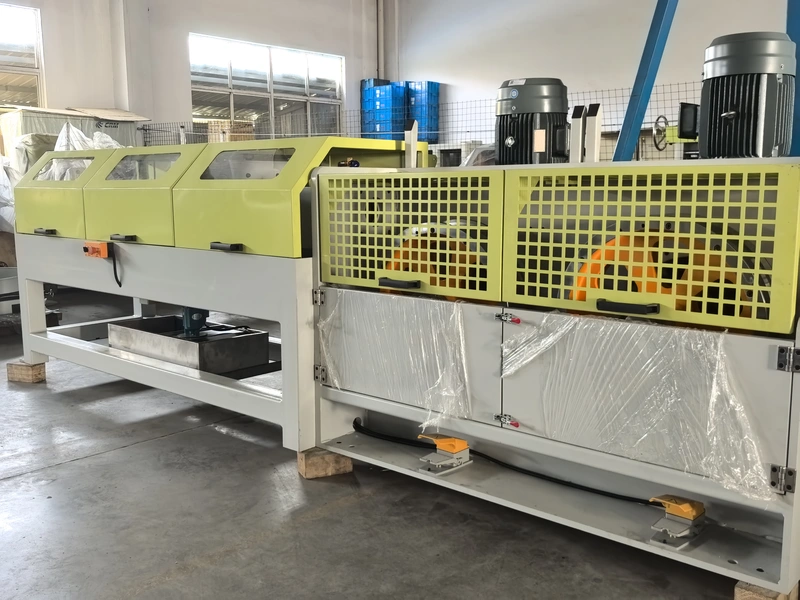
This is the core forming stage. General flat wire adopts two-roll rolling stands, while high-precision ultra-thin flat wire requires 4-roll rolling structures for enhanced rigidity and tolerance control. Progressive deformation rates are strictly controlled between 15% and 25% per pass to avoid material fatigue and cracking. More advantages of four-roll equipment are available at 4 roll copper rolling mill precision advantages.
Lubrication, Cooling and Deoiling
Specialized rolling lubricant reduces friction and heat generation during forming. Air knife deoiling systems remove residual oil to ensure clean wire surface quality for subsequent enamel coating and assembly processes.
Closed-Loop Dimension Detection and Adjustment
Online laser thickness and width monitors feed real-time data to the PLC control system. The equipment automatically fine-tunes roll gaps to maintain consistent dimensional accuracy throughout continuous production.
Stress Relief Annealing and Finishing Winding
Cold rolling hardens copper wire. Inline continuous annealing restores flexibility and conductivity. Double-head automatic switching take-up machines realize non-stop continuous coiling for maximum production efficiency.
Finished Copper Flat Wire Quality Tolerance Standards
| Performance Item | Standard Tolerance | Typical Application |
| Thickness Tolerance | ±0.001mm ~ ±0.01mm | Automotive flat wire, precision electronic conductors |
| Width Tolerance | ±0.002mm ~ ±0.02mm | Transformer enameled flat wire |
| Straightness | ≤0.3mm/m | High-speed automatic winding production |
| Post-Annealing Elongation | ≥28% | Flexible wiring harness copper wire |
Practical Mass Production Optimization Tips
Regular roll surface polishing and maintenance is essential to avoid surface scratches. Lubricant temperature should be stabilized between 30℃ and 50℃ to ensure consistent plastic deformation. Custom roll edge arc designs optimize edge R angles, preventing insulation film damage during motor coil winding.
Conclusion
High-quality copper flat wire production depends on standardized pre-treatment, scientific multi-pass rolling procedures, precise online detection, and reasonable post-processing annealing. Mature process control greatly reduces defective rates and improves production stability. Sky Bluer Environmental Technology Co., Ltd provides customized turnkey copper flat wire rolling lines suitable for copper, stainless steel, and alloy flat wire production, offering global 24/7 technical support, installation commissioning, and long-term equipment maintenance services. For strip rolling equipment principles, refer to /copper-strip-rolling-mill-principle; for motor-grade rectangular wire manufacturing, visit /rectangular-copper-wire-motor-manufacture.