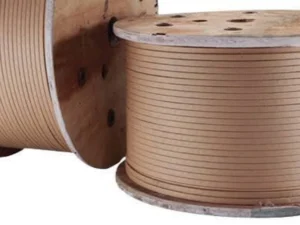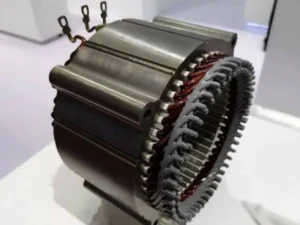
Introduction
Steel wire production is a cornerstone of modern manufacturing, feeding industries from automotive and construction to electronics and medical devices. The two most common shaping methods—rolling vs drawing—both aim to reduce wire cross-section, improve mechanical properties, and achieve the desired shape.
Understanding the strengths and limitations of each process is critical for optimizing production efficiency, controlling costs, and achieving the required quality standards. For instance, when producing high-precision flat wire for automotive leaf springs, it is essential to select rolling equipment specifically designed for spring steel, similar to the solutions described in our Flat Wire Rolling Machine: How It Shapes Spring Steel guide.
Steel Wire Rolling: Process, Advantages, and Limitations
Rolling transforms steel wire by compressive deformation. Wire or rod passes through one or more sets of rotating rolls, which progressively reduce its diameter or change its profile. Rolling can be classified as:
- Hot rolling: Performed at temperatures above the steel’s recrystallization point. Hot rolling softens steel, making it easier to shape while minimizing the risk of cracks. It is ideal for bulk wire production and larger cross-sections.
- Cold rolling: Conducted at or near room temperature. Cold rolling enhances surface finish, dimensional accuracy, and tensile strength due to work hardening. It is widely used for precision flat wire, fine round wire, and specialty profiles.
Wire rolling produces round, flat, square, or custom-shaped profiles depending on the roll design. For more complex geometries, rolling often complements the custom shaping methods highlighted in Shaped Wire Production Line: From Wire Rod to Custom Profiles, where CNC-controlled dies achieve precision profiles after initial rolling.
Advantages of Rolling
- High Production Throughput: Rolling is suitable for producing tons of wire per hour, especially for large diameters and long runs.
- Enhanced Mechanical Properties: Cold rolling strengthens steel through work hardening, improving tensile strength, fatigue resistance, and hardness.
- Surface Quality: Cold rolling produces smooth surfaces, reducing the need for additional finishing operations.
- Versatility in Profiles: Rolling is capable of producing complex shapes like flat wire, rectangular wire, or even leaf spring profiles efficiently.
Limitations of Rolling
- High Capital Investment: Rolling mills require heavy-duty frames, powerful motors, and precision rolls, leading to higher upfront costs.
- Limited Precision for Fine Wires: Extremely fine wires (<1 mm diameter) are difficult to achieve with rolling alone due to roll bite limitations.
- Material Limitations: Some high-carbon or highly alloyed steels may crack if improperly heated or rolled, requiring precise temperature control.
- Energy Usage: While generally efficient, hot rolling requires substantial heating energy.
-300x200.webp)
Wire Drawing: Process, Advantages, and Limitations
Wire drawing reduces steel diameter by pulling the wire through progressively smaller dies. Each die stage reduces cross-section slightly, while intermediate annealing restores ductility.
- Single-stage drawing: Used for minor reductions or soft steels.
- Multi-stage drawing: Standard for high-strength steels and specialty wires, achieving precise diameters and superior surface quality.
- Lubrication: Oil, emulsion, or dry lubrication reduces friction, prolongs die life, and prevents surface defects.
Wire drawing excels for extremely fine wires, high-tolerance round wires, and specialty profiles. It is often chosen when producing spring steel flat wire with strict thickness tolerances, complementing equipment selection strategies discussed in Spring Steel Flat Wire: Applications & Equipment Selection.
Advantages of Drawing
- High Dimensional Precision: Drawing achieves tight tolerances suitable for electrical wires, springs, and fine mechanical components.
- Superior Surface Quality: Smooth surfaces reduce the need for additional polishing, coating, or plating.
- Material Flexibility: Drawing handles high-carbon steels, alloy steels, and specialty metals without cracking.
- Minimal Material Loss: Only minor reduction of scrap compared to rolling.
Limitations of Drawing
- Slower Production Rate: Drawing is a pulling process, making throughput slower than rolling for the same material.
- High Energy per Unit Length: Friction in dies requires more tension and energy, especially for small diameters.
- Die Wear: Tungsten carbide or diamond dies need regular replacement, increasing maintenance.
- Sensitive to Lubrication: Poor lubrication causes defects, die damage, and production stoppages.
Inline diameter and tension monitoring can mitigate these limitations, echoing the maintenance and troubleshooting insights found in Maintenance & Efficiency Tips for Wire Flattening Machines.
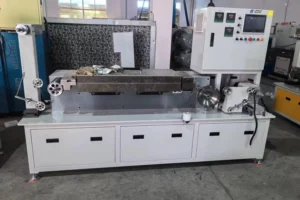
Rolling vs. Drawing: Comprehensive Comparison
| Feature | Rolling | Drawing |
| Diameter Range | 1–20 mm+ | 0.1–10 mm |
| Precision & Tolerance | Moderate | High |
| Surface Finish | Good (cold rolling) | Excellent |
| Production Rate | High | Moderate to low |
| Material Flexibility | Moderate | High |
| Equipment Cost | High initial investment | Moderate |
| Energy Consumption | Efficient per ton | Higher per unit length |
| Typical Applications | Structural wire, rebars, flat wire, leaf springs | Electrical wire, high-strength springs, precision mechanical wire |
Hybrid Production: Combining Rolling & Drawing
Many manufacturers combine rolling and drawing to leverage each method’s advantages. For example, hot rolling reduces bulk material to intermediate wire, cold rolling produces initial flat profiles, and multi-stage drawing achieves final precision and surface quality. This hybrid approach mirrors the production strategies outlined across Flat Wire Rolling Machine and Shaped Wire Production Line, integrating high-volume efficiency with high-precision output.
Advanced Production Optimization Tips
Optimizing steel wire production goes beyond selecting a single process:
- Choose the right material: High-carbon and alloy steels often favor drawing; ductile grades work well for rolling.
- Implement inline monitoring for diameter, tension, and surface defects to reduce scrap.
- Use proper lubrication and cooling to extend die and roller life.
- Inline annealing can relieve stress and improve mechanical properties.
These optimization strategies align with the broader equipment and application guidance provided in Spring Steel Flat Wire: Applications & Equipment Selection and the operational insights in Maintenance & Efficiency Tips for Wire Flattening Machines.
Conclusion
Rolling is ideal for high-volume, moderate-precision, and larger wires, while drawing excels in high-precision, small-diameter applications and high-strength alloys. A hybrid approach combining rolling, flattening, and multi-stage drawing often yields the best balance of throughput, precision, and surface finish. Manufacturers should consider equipment selection, wire size, material type, mechanical requirements, and operational optimization to achieve consistent, high-quality steel wire production.
For a detailed overview of high-precision wire production equipment, see our Pillar Page: High-Precision Steel Wire & Flat Wire Production Equipment, which links naturally to all related cluster articles.