Introduction
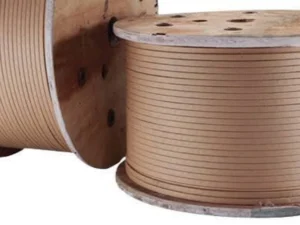
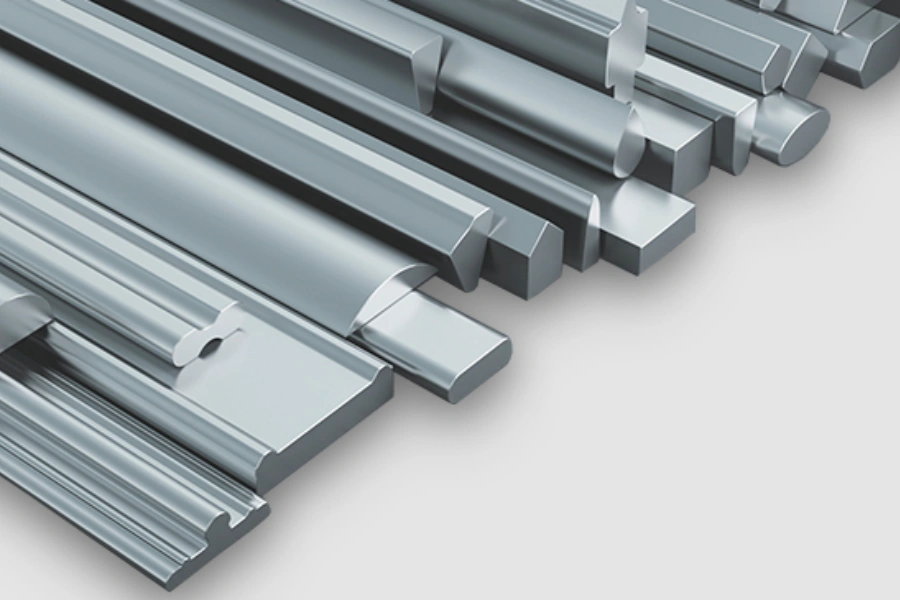
Shaped wire production lines are engineered to produce custom wire profiles—square, hexagonal, rectangular, or complex industrial shapes—from standard round wire rods. Unlike conventional wire drawing lines, these systems emphasize die design, forming accuracy, and line integration to deliver high-quality, repeatable profiles.
Modern shaped wire lines combine wire feeding, forming, annealing, and automated handling, ensuring the final product meets mechanical and dimensional requirements for sectors such as automotive, electronics, construction, and industrial machinery.
This article focuses on the equipment workflow, die engineering, and production line integration, providing a practical guide for manufacturers seeking precision and efficiency in shaped wire production.
Equipment Workflow: From Wire Rod to Finished Profile
A shaped wire production line is more than a single machine—it is a cohesive system of interconnected processes. Key stages include:
Wire Feeding and Straightening
- Wire Feeding: Automatic reels or coil systems deliver wire rods at controlled speed to the line.
- Straightening Units: Reduce curvature in incoming rods, ensuring smooth entry into forming dies and minimizing surface defects.
Forming / Wire Shaping
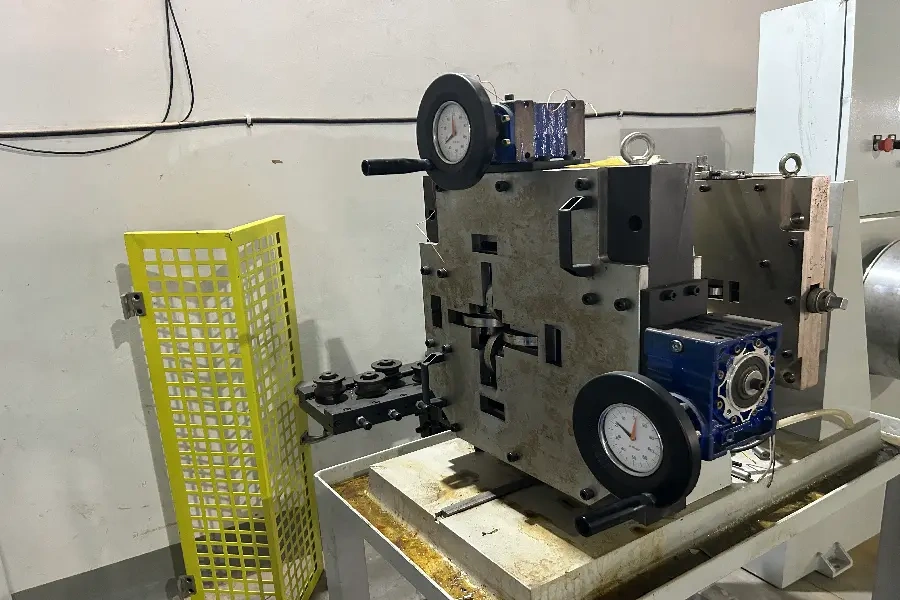
- Wire Forming Machines: Multi-pass forming units gradually shape round wire into the target profile.
- Progressive Die Design: Dies are engineered to control metal flow, preventing cracks and maintaining cross-sectional uniformity.
- Process Parameters: Speed, tension, and lubrication are optimized according to material grade and target profile complexity.
Inline Measurement and Quality Control
- Laser and Optical Sensors: Continuously monitor dimensions such as width, height, and profile flatness.
- Feedback Systems: Real-time adjustments ensure dimensional tolerance, surface quality, and repeatability.
Annealing and Mechanical Stabilization
- Controlled Annealing Ovens: Reduce internal stresses introduced during forming.
- Temperature Profiles: Customized for spring steel, stainless steel, or copper alloys to achieve required mechanical properties.
Finishing and Material Handling
- Cutting, Coiling, or Straightening: Profiles are prepared for shipment or downstream processing.
- Automated Handling Systems: Minimize manual intervention and protect sensitive surfaces.
Die and Tooling Design
Die engineering is central to shaped wire production, directly influencing quality, tolerance, and process efficiency. Key considerations include:
- Material Selection: Hardened tool steel or carbide dies withstand high pressure and wear.
- Profile Accuracy: CNC machining ensures precise die geometry for consistent wire cross-sections.
- Modular Design: Interchangeable die sets allow fast profile changeovers and reduce downtime.
- Lubrication Channels: Integrated oil or emulsion paths reduce friction, heat, and die wear.
Tip: Combining CNC die production with inline inspection allows manufacturers to iteratively refine tooling for complex or custom profiles.
Production Line Integration
Efficient shaped wire production requires smooth integration of multiple machines into a unified workflow:
- Sequential Layout: Wire feeding → forming → annealing → measurement → finishing → packaging.
- PLC and Automation Control: Synchronizes machines, monitors tension, and adjusts speed automatically.
- Scalability: Modular stations allow expansion or adaptation to different wire materials and profile sizes.
- Maintenance Optimization: Centralized monitoring ensures predictive maintenance, reducing downtime and scrap.
For pre-shaping processes or initial flattening, our Flat Wire Rolling Machines can be incorporated to improve forming consistency for complex profiles.
Advantages of an Integrated Approach
- Consistent High Precision: Die design and inline monitoring maintain tight dimensional tolerances.
- Flexible Manufacturing: Easily switch between profiles without rebuilding the entire line.
- Reduced Material Waste: Automation and real-time feedback minimize scrap.
- Higher Throughput: Optimized workflows and synchronized machines increase production speed.
- Lower Labor Requirements: Automated handling and PLC control reduce operator dependency.
Production Efficiency and Process Stability
Material Flow Consistency
Stable wire feeding and tension control are essential to maintain consistent profile geometry. Modern shaped wire lines use servo-controlled feeders, precision guide rollers, and synchronized speed control to ensure smooth material movement and prevent distortion during high-speed forming.
Multi-Pass Forming Stability
Custom profiles are formed gradually through multiple stations to reduce deformation stress, improve corner definition, and maintain dimensional repeatability. Multi-pass forming also lowers die wear and ensures symmetrical, high-quality profiles.
Tooling Changeover Efficiency
Quick-change die holders, modular forming units, and CNC-adjustable tooling allow manufacturers to switch between different wire profiles and sizes rapidly, minimizing downtime while maintaining setup accuracy and production flexibility.
Automated Process Monitoring
Integrated monitoring systems track profile dimensions, forming pressure, line speed, and surface conditions in real time. Automatic alerts and adjustments reduce scrap, prevent equipment damage, and improve overall operational reliability.
Maintenance and Long-Term Reliability
Preventive maintenance—including die inspection, lubrication cleaning, alignment checks, and roller wear monitoring—ensures long-term stability, consistent profile quality, and reduced production costs for shaped wire manufacturing.
Summary
Shaped wire production lines transform round wire rods into high-precision custom profiles through an integrated approach that combines wire forming machines, die design, and automated line control. Proper tooling, inline measurement, and line integration ensure consistent quality, repeatability, and high production efficiency, meeting the stringent requirements of modern industrial applications.
Explore our Shaped Wire Production Lines for custom wire profiles, high throughput, and precise dimensional control. For a complete guide to spring steel & flat wire production equipment, see our Equipment Selection Page.