Introduction
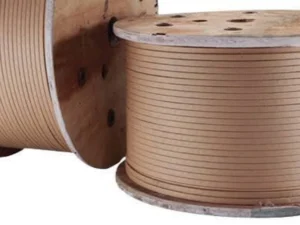
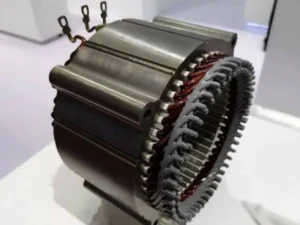
Spring steel flat wire is a critical component in industries where strength, precision, and durability are essential. Unlike conventional round wire, flat wire offers superior surface contact, better stress distribution, and enhanced mechanical stability. Industries ranging from automotive to electronics and industrial machinery rely on spring steel flat wire applications that require fatigue resistance, high tensile strength, and precise dimensions.
Selecting the right wire rolling equipment is crucial for achieving consistent quality, minimizing scrap, and optimizing production efficiency. From multi-pass flat wire rolling machines to integrated annealing systems, the choice of equipment directly impacts the mechanical properties, surface finish, and dimensional tolerances of the final product. Our Flat Wire Rolling Machines and integrated production solutions are designed to meet these exacting requirements, ensuring high precision, efficiency, and reliability for every application.
Applications of Spring Steel Flat Wire
Automotive Industry
The automotive sector is one of the largest consumers of spring steel flat wire due to its combination of high strength and fatigue resistance. Applications include:
- Leaf Springs & Coil Springs: Flat wire with thickness ranging from 1.5 mm to 3 mm provides reliable load-bearing capacity and long fatigue life, critical for suspension systems.
- Clips and Retaining Rings: High-strength flat wire ensures secure assembly of engine components, brackets, and fasteners.
- Seat Frames & Structural Supports: Provides uniform stress distribution for safety and comfort.
Electrical and Electronics
Electrical and electronic applications often demand precise flat wire dimensions and high surface quality for consistent electrical conductivity:
- PCB Connectors & Terminals: Thin flat wire (0.05–0.2 mm thick) ensures low-resistance connections and reliable performance in densely packed electronic circuits.
- Battery Tabs (Lithium-Ion & Lead-Acid): High-conductivity copper alloy flat wire with uniform width ensures efficient current flow and reduces hotspots.
- Miniature Components: Custom spring steel flat wire profiles for micro-springs in switches, sensors, and connectors.
Industrial Machinery
Flat wire is indispensable in machinery requiring precision parts and high durability:
- Stamping Components & Brackets: Consistent thickness and width ensure repeatable forming and assembly.
- Conveyor System Components: Wear-resistant flat wire for chains and guides withstands mechanical stress over prolonged use.
- Fasteners & Clips: Custom-rolled flat wire enables manufacturing of high-strength industrial clips, retaining rings, and washers.
Medical Devices
In medical applications, flat wire combines strength with corrosion resistance:
- Surgical Instruments: Stainless spring steel flat wire (0.2–1.0 mm thickness) offers precision and durability.
- Medical Implants: Provides high fatigue life and biocompatibility for surgical staples and small implantable devices.
Choosing the Right Wire Rolling Equipment
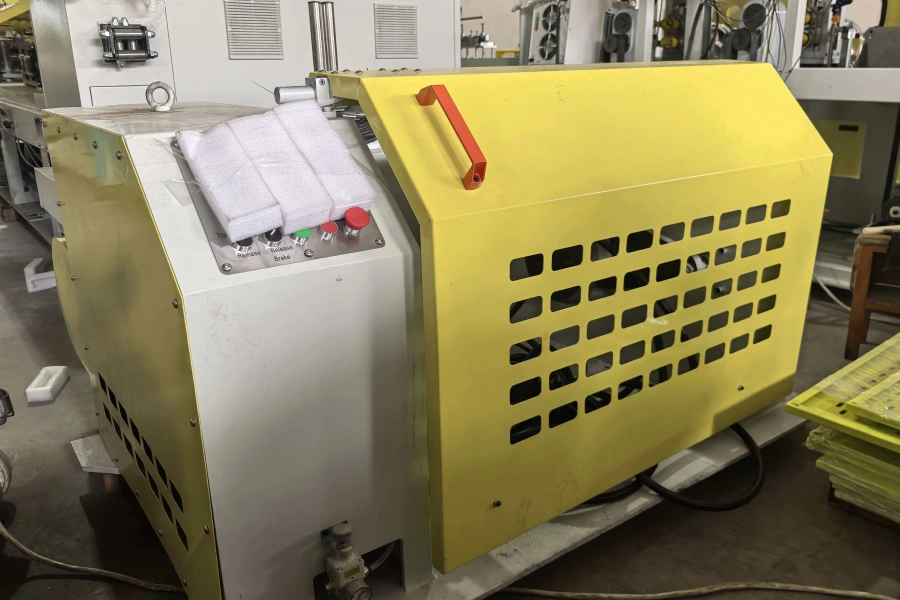
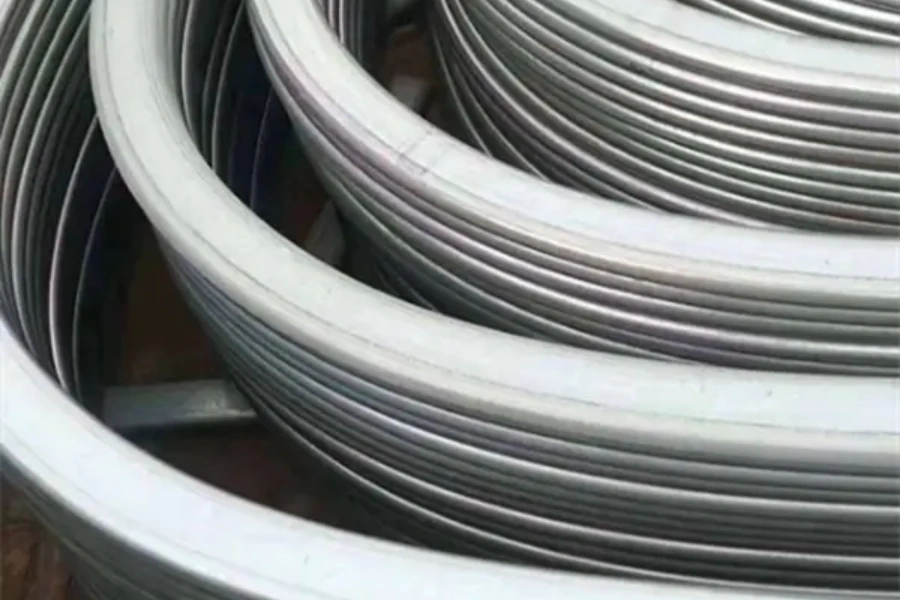
Selecting proper wire rolling equipment is critical for maintaining the performance characteristics of spring steel flat wire. The choice depends on wire dimensions, material type, production volume, and end-use application.
Flat Wire Rolling Machines
Flat wire rolling machines transform round wire into flat profiles through multi-pass rolling, tension control, and surface-protective rollers. Key considerations:
- Thickness & Width Range: Machines should support the required width and thickness with tight tolerances (±0.01 mm).
- Number of Passes: Multi-pass systems (2–8 passes) reduce internal stress and improve flatness.
- Speed & Throughput: Adjustable rolling speed (50–500 m/min) allows optimization for different materials.
- Material Compatibility: Spring steel, stainless steel, and copper alloys require different roller hardness and lubrication systems.
For a deeper dive into the full range of steel wire production equipment and technical specifications, you can explore our Pillar Page on Steel Wire Production Equipment
Integrated Annealing & Tempering Systems
Pre- or post-rolling heat treatment ensures optimal mechanical properties:
- Stress Relief: Annealing reduces internal stress induced during rolling, improving fatigue resistance.
- Hardness Control: Tempering ensures the wire reaches the desired tensile strength (up to 2,000 MPa for high-performance spring steel).
- Inline Integration: Combining rolling and annealing in one line minimizes handling and reduces production time.
Automation and Inline Measurement
Modern wire rolling equipment often incorporates automated handling and laser-based measurement:
- Inline Thickness & Width Monitoring: Maintains flat wire dimensions within ±0.005–0.01 mm tolerance.
- Automated Tension Control: Prevents distortion, bending, or surface defects.
- Process Optimization: Real-time feedback adjusts roller gap, speed, and tension for consistent quality.
Considerations for High-Volume Production
For large-scale production:
- Energy Efficiency: Variable frequency drives (VFDs) reduce power consumption.
- Scrap Reduction: Automated material handling and inline measurement minimize defective wire.
- Maintenance Accessibility: Machines with easy access to rollers, dies, and lubrication systems reduce downtime.
- Modular Design: Quick-change rollers and dies allow rapid switching between different wire widths or profiles.
Technical Parameters Overview
The technical specifications of spring steel flat wire vary depending on the application, required mechanical properties, and production method. Below is a detailed breakdown of parameters typically used in industry, subdivided by application type.
| Parameter | Typical Range (by Application) | Notes |
| Width | 0.5–6 mm (electronics) 6–15 mm (automotive) 15–25 mm (industrial) | Adjustable roller gap for different profiles |
| Thickness | 0.05–0.3 mm (micro springs) 0.3–1.5 mm (automotive) 1.5–5 mm (industrial) | ±0.01 mm tolerance achievable |
| Rolling Speed | 50–150 m/min (thin/high-carbon) 150–350 m/min (medium) 350–500 m/min (wide) | Depends on material hardness and lubrication |
| Passes | 2–4 (precision) 4–6 (automotive) 6–8 (industrial) | Determined by reduction ratio and surface finish |
| Material | 1075–1095, 50CrV4, 60Si2Mn; stainless/copper optional | Pre-annealed recommended for high-carbon steel |
| Roller | Hardened steel, chrome-plated | Wear-resistant, smooth surface |
| Inline Measurement | Laser/optical sensors | Real-time width, thickness, and flatness control |
Best Practices for Optimal Production
- Pre-Treatment of Wire: Anneal or degrease wire before rolling to reduce surface defects.
- Lubrication: Use suitable oils or emulsions for the material to prevent roller wear and scratches.
- Regular Roller Inspection: Check every 500–1,000 production hours to maintain dimensional consistency.
- Inline Feedback Utilization: Integrate measurement sensors with CNC-controlled rollers to correct deviations instantly.
- Operator Training: Skilled operators ensure proper setup, calibration, and maintenance for consistent output.
For additional guidance on keeping flattening equipment in peak condition, you can explore our Maintenance & Efficiency Tips for Wire Flattening Machines.
Conclusion
Spring steel flat wire is essential across industries such as automotive, electronics, industrial machinery, and medical devices, where strength, precision, and durability are critical. Achieving consistent thickness, superior surface finish, and reliable mechanical properties requires the right combination of high-performance rolling equipment, appropriate heat treatment, and advanced automation technologies. By selecting the proper machinery, integrating annealing and inline measurement systems, and following proven best practices, manufacturers can ensure consistent quality, minimize scrap, and maximize production efficiency.
Our Flat Wire Rolling Machines for spring steel are designed to meet these demanding requirements, and our team of experts can provide tailored guidance to help optimize your production line.