Introduction
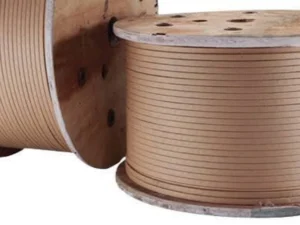
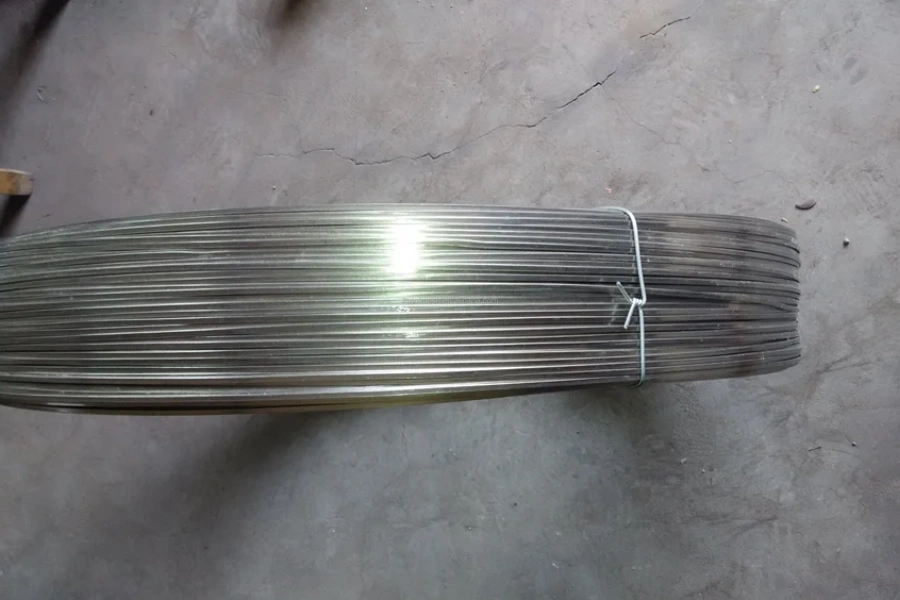
Wire flattening machines are essential for producing high-quality spring steel flat wire, copper strips, and other precision flat wire products. Maintaining consistent quality, minimizing downtime, and maximizing throughput all rely on wire flattening machine maintenance and effective wire flattener troubleshooting strategies. In high-volume manufacturing environments, reliable equipment is critical to achieve tight tolerances (±0.01 mm), excellent surface finish, and consistent mechanical properties. Incorporating efficiency-focused practices—such as regular inspection schedules and process optimization—helps ensure machines perform reliably over long production cycles. For guidance on selecting the right wire and equipment to meet these standards, see our Spring Steel Flat Wire resource.
Preventive Maintenance for Wire Flatteners
Regular preventive maintenance ensures that flattening machines continue operating at peak performance while reducing the risk of unexpected breakdowns. Key practices include:
- Roller and Die Inspection: Examine rollers and flattening dies every 500–1,000 hours for signs of wear, scratches, or corrosion. Replace any component that exceeds a wear threshold of ±0.002 mm.
- Lubrication System Check: Maintain oil or emulsion levels, replace filters, and ensure consistent application to reduce friction and prevent surface damage.
- Tension Control Calibration: Periodically verify servo or hydraulic tension systems to maintain wire straightness and avoid deformation.
- Electrical & PLC Systems: Inspect wiring, sensors, and control panels for proper operation. Ensure that all emergency stops and alarms function correctly.
- Alignment & Leveling: Verify roller alignment and machine leveling to prevent uneven flattening, which can compromise product tolerances.
Implementing a preventive maintenance schedule not only enhances production efficiency but also extends the service life of rollers and other critical components. For a closer look at machine design and specifications, refer to our Flat Wire Rolling Machines: How It Shapes Spring Steel guide.
Common Wire Flattener Issues & Troubleshooting
Even with preventive maintenance, operational issues may arise. Effective wire flattener troubleshooting can minimize downtime and reduce material waste.
Surface Defects
Cause: Contaminated rollers, improper lubrication, or worn dies.
Solution: Clean and polish rollers, replace worn dies, and verify lubrication levels and type.
Thickness Variation
Cause: Tension inconsistencies, misaligned rollers, or incorrect roller gap settings.
Solution: Calibrate tension control, realign rollers, and adjust roller gaps using CNC controls if available.
Wire Bending or Curling
Cause: Uneven rolling pressure, improper feeding, or temperature variation during processing.
Solution: Inspect and adjust roller pressure, use consistent feeding tension, and maintain environmental temperature control.
Reduced Production Speed
Cause: Overloaded motors, inadequate lubrication, or material jamming.
Solution: Clean and lubricate all moving parts, check for foreign debris, and ensure motors are operating within rated capacity.
Maximizing Production Efficiency
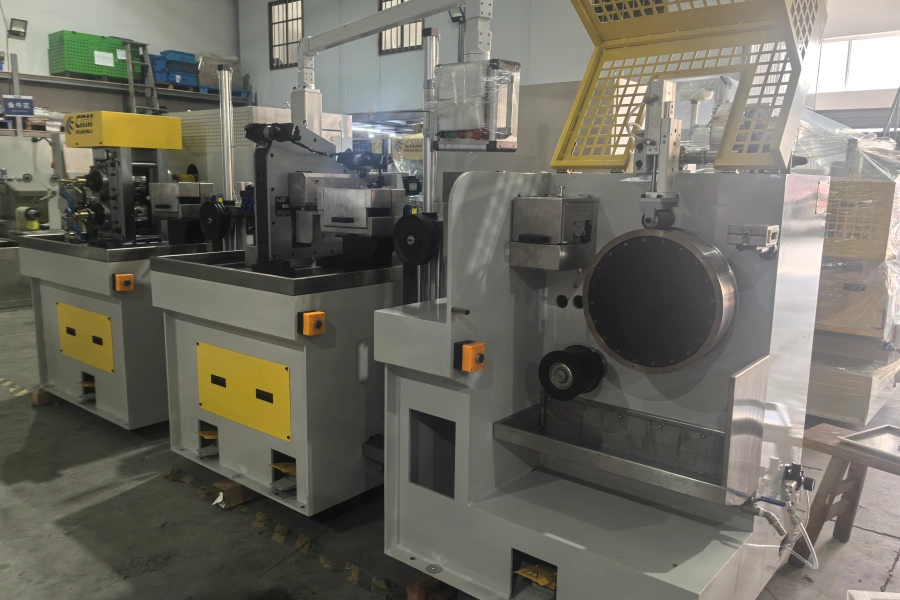
Enhancing production efficiency requires a combination of machine optimization, operator training, and workflow improvements.
Automation & Inline Measurement
- Integrate laser or optical sensors for real-time width and thickness monitoring.
- Connect sensors to CNC roller adjustment systems for automatic corrections, reducing defective wire by 30–50%.
Process Parameter Optimization
- Develop material-specific rolling maps that define optimal roller speed, tension, and pass sequences.
- Example: Spring steel (SAE 1095) may require 4 passes at 350 m/min, tension 30 N, roller temperature 80°C.
- Use simulation software like FEA to validate process parameters before production.
Workflow Streamlining
- Use modular loading/unloading systems to reduce manual handling.
- Implement standardized setups for different wire widths and thicknesses to minimize changeover time.
- Train operators on efficient practices, emphasizing consistent feeding, tension control, and inline inspection interpretation.
Energy & Material Optimization
- Utilize variable frequency drives (VFDs) to adjust motor speed according to production demand, reducing energy use by 15–20%.
- Recycle scrap wire by collecting and reprocessing small quantities (<5%) to raw material feedstock.
For additional guidance on selecting the right wire and rolling equipment to maximize efficiency, see our Spring Steel Flat Wire: Applications & Equipment Selection resource.
Upgrading Your Wire Flattening Line
For manufacturers aiming to improve output and quality, investing in modern wire rolling equipment can bring significant advantages:
- Inline Annealing & Tempering: Reduce internal stress and improve mechanical properties without adding extra handling.
- Quick-Change Rollers & Dies: Facilitate rapid switching between wire widths or material types.
- Automated Tension & Feed Systems: Reduce operator dependency and maintain consistent product quality.
- Modular Design: Easily integrate new stages such as surface coating or laser cutting without disrupting existing operations.
Upgraded lines often achieve 30–50% higher throughput, better surface quality, and reduced scrap, contributing directly to overall production efficiency.
Key Performance Metrics
Monitoring performance is essential to ensure machines operate at peak capacity:
| Metric | Target | Notes |
| Roller Wear | <0.002 mm per 1,000 hours | Regular inspection required |
| Thickness Tolerance | ±0.01 mm | Use inline measurement systems |
| Downtime | <2% | Includes scheduled maintenance |
| Scrap Rate | <5% | Reduced with automation & inline corrections |
| Throughput | Dependent on machine speed & wire size | Optimize using process maps |
Conclusion
Maintaining wire flattening machines in peak condition, efficiently troubleshooting issues, and implementing production efficiency strategies are crucial for producing high-quality spring steel flat wire. Preventive maintenance, proper lubrication, inline monitoring, and automated tension control help ensure tight tolerances, excellent surface finish, and minimal scrap.
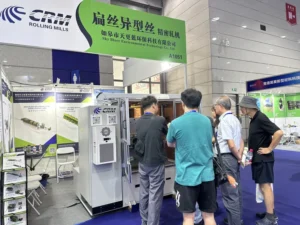
By combining latest brand CRM rolling equipment, modular automation, and comprehensive operator training, manufacturers can enhance reliability and throughput, meeting the exacting demands of automotive, electronics, industrial machinery, and medical applications. Our Flat Wire Rolling Machines are designed to support these goals, and our experts can provide tailored advice on maintenance schedules, troubleshooting procedures, and productivity optimization strategies.