In the global manufacturing landscape, copper strips stand out as a critical material, prized for their exceptional electrical conductivity, thermal conductivity, and ductility. From electrical systems to automotive components, their versatility underpins countless industrial applications. At the heart of producing high-quality copper strips lies a sophisticated piece of machinery: the copper strip rolling mill. But how does this equipment transform raw copper into precision flat strips? And what makes rolling mills for copper conform strips unique? This article delves into the technology behind copper strip rolling, exploring core processes, key performance factors, and real-world applications that drive industry innovation.
The Fundamentals of Copper Strip Rolling Technology
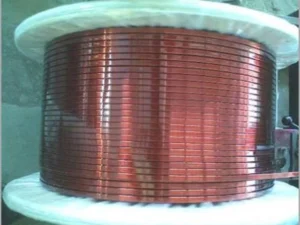
Copper strip rolling is a metal forming process that reduces the thickness of raw copper (in the form of coils, slabs, or billets) while maintaining or adjusting its width to produce flat strips. Unlike other metal processing methods, rolling relies on compressive force applied by rotating rolls to achieve precise dimensional control—making it ideal for manufacturing copper strips that require consistent thickness, smooth surfaces, and uncompromised material properties.
-300x200.webp)
How a Copper Strip Rolling Mill Works
A copper strip rolling mill operates through a coordinated sequence of steps, guided by its core components:
- Material Feeding: Raw copper feedstock is guided into the mill via entry guides, ensuring alignment with the rolling rolls to prevent misprocessing.
- Thickness Reduction: As the copper passes through the nip (gap) between hardened steel rolls, compressive force flattens and elongates the material. The roll gap is adjustable to achieve the target thickness—from thick slabs to ultra-thin strips used in electronics.
- Stabilization & Cooling: Auxiliary rollers and guides maintain the strip’s stability during rolling, while integrated cooling systems dissipate heat generated by friction. This prevents material distortion and preserves copper’s inherent conductivity.
- Finishing & Collection: The finished strip exits the mill through exit guides, ready for winding, cutting, or further processing (e.g., annealing, plating).
What Makes Copper Conform Strip Rolling Mills Unique?
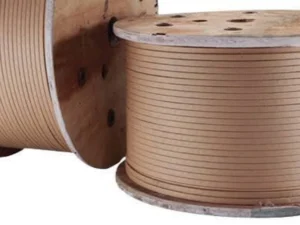
Rolling mills for copper conform strips are specialized variants designed to produce conform strips—a type of copper strip with consistent cross-sectional dimensions and enhanced mechanical properties. Key distinctions include:
- Precision Roll Alignment: Tighter tolerances for roll parallelism to ensure uniform thickness across the strip’s width, critical for conform applications like electrical connectors.
- Enhanced Tension Control: Integrated systems that maintain consistent tension during rolling, preventing stretching or wrinkling of the strip.
- Material Compatibility: Optimized roll materials and surface treatments to handle the specific ductility of copper, avoiding surface defects like scratches or indentations.
Key Performance Factors That Define High-Quality Copper Rolling
The quality of copper strips depends on the rolling mill’s design and operational parameters. Below are the critical factors that manufacturers and buyers should prioritize:
Dimensional Precision & Adjustability
Top-tier rolling mills offer micron-level control over strip thickness (ranging from a few micrometers to several millimeters) and width. This adjustability is enabled by:
- Variable roll gap mechanisms that allow quick parameter changes for different product specifications.
- Synchronized drive systems that maintain stable rolling speeds, ensuring consistent thickness across large production runs.
Material Property Preservation
Copper’s electrical and thermal conductivity is sensitive to processing conditions. High-performance mills address this by:
- Controlling rolling temperature to avoid overheating, which can degrade conductivity.
- Using lubrication systems to reduce friction between rolls and copper, minimizing surface damage and preserving material integrity.
Production Efficiency & Scalability
Modern copper strip rolling mills are designed for both batch and continuous production:
- Continuous rolling lines enable high-volume manufacturing of standard copper strips, ideal for industries like construction and automotive.
- Batch-oriented mills offer flexibility for custom orders, such as specialized copper conform strips for aerospace or renewable energy applications.
Real-World Applications of Rolled Copper Strips
Rolled copper strips are the backbone of numerous industries, thanks to their unique combination of conductivity, durability, and formability. Here’s how they drive innovation across sectors:
Electrical & Electronics Industry
- Bus Bars & Conductors: Thick copper strips serve as high-current conductors in power distribution systems, leveraging low electrical resistance to minimize energy loss.
- Circuit Boards & Connectors: Ultra-thin copper strips are etched into printed circuit boards (PCBs) and used in microconnectors, enabling miniaturization of electronic devices.
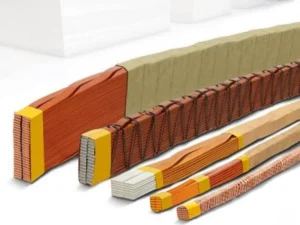
- Transformer Windings: Copper strips with precise thickness control are wound into transformers, ensuring efficient energy transfer.
Automotive & Transportation
- Wiring Harnesses: Flexible copper strips are used in vehicle wiring, withstanding vibration and temperature fluctuations while delivering reliable conductivity.
- Heat Sinks: Copper’s thermal conductivity makes rolled strips ideal for heat sinks in electric vehicle (EV) batteries and engine components, preventing overheating.
Renewable Energy & Aerospace
- Solar Panels: Copper strips connect solar cells, transferring electricity efficiently while resisting corrosion from outdoor exposure.
- Aerospace Components: Copper conform strips are used in aircraft wiring and hydraulic systems, where dimensional consistency and durability are critical.
Construction & Architecture
- Building Wiring: Thick copper strips are installed in commercial and residential buildings as main electrical conductors, offering long-term reliability.
- Decorative Elements: Polished copper strips are used in architectural designs, combining aesthetic appeal with corrosion resistance.
Choosing the Right Copper Rolling Solution: Key Considerations
For businesses looking to invest in copper strip rolling technology or source high-quality rolled strips, here are essential factors to evaluate:
Match Equipment to Material Requirements
- Consider the type of copper (e.g., pure copper, copper alloy) and desired strip dimensions (thickness, width) to select a mill with compatible roll sizes and adjustment ranges.
- For copper conform strips, prioritize mills with enhanced precision controls and surface quality features.
Balance Quality and Production Volume
- High-volume applications (e.g., building wiring) require continuous rolling mills with high throughput and automation.
- Custom or low-volume production (e.g., aerospace components) benefits from flexible batch mills with easy parameter adjustment.
Evaluate Post-Processing Compatibility
- Ensure the rolled strips can integrate with subsequent processes like annealing (to improve ductility) or plating (for corrosion resistance).
- Check if the mill’s exit design facilitates seamless transfer to downstream equipment.
The Future of Copper Strip Rolling Technology
As industries demand more efficient, sustainable, and precise materials, copper strip rolling technology is evolving:
Advanced Material Handling: Development of mills capable of processing high-strength copper alloys for next-generation applications like EVs and renewable energy systems.
Smart Automation: Integration of IoT sensors and AI-driven controls to monitor roll wear, temperature, and strip quality in real time, reducing waste and downtime.
Energy Efficiency: Adoption of low-power drive systems and heat recovery technologies to minimize environmental impact.
-300x200.webp)
Conclusion
Copper strip rolling mills are more than just manufacturing equipment—they are enablers of technological progress, transforming raw copper into materials that power our homes, vehicles, and industries. By understanding the technology behind these mills, their key performance factors, and real-world applications, businesses can make informed decisions about equipment investment or material sourcing. As demand for high-conductivity, precision flat copper products grows, the role of advanced rolling technology will only become more critical in driving innovation across sectors. Whether you’re a manufacturer, engineer, or industry professional, mastering the basics of copper strip rolling is essential for staying ahead in a competitive global market.