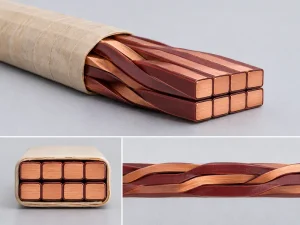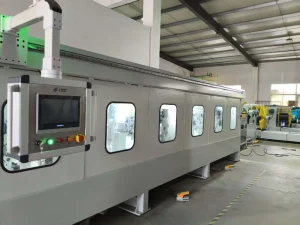
Oil-immersed transformers rely on carefully designed windings to carry electrical current, control losses, and withstand thermal and mechanical stresses. The conductor material and insulation system are therefore critical to transformer performance. Paper insulated aluminum conductors are one option for applications where electrical efficiency, material weight, manufacturing cost, and available winding space must be balanced.
These conductors combine aluminum wire, often with a rectangular cross-section, with layers of insulating paper. After appropriate drying and oil impregnation, the paper becomes part of the transformer’s oil–cellulose insulation system.
Reliable performance depends on more than material selection. Conductor dimensions, edge quality, paper wrapping, moisture control, and winding design must all meet the specified requirements.
1. What Are Paper Insulated Aluminum Conductors?
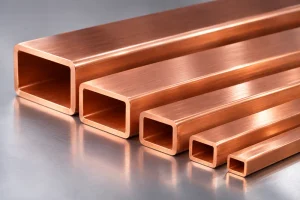
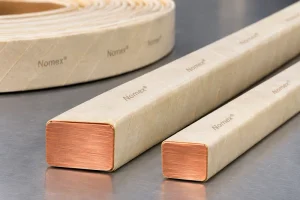
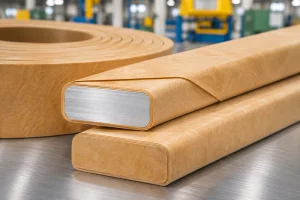
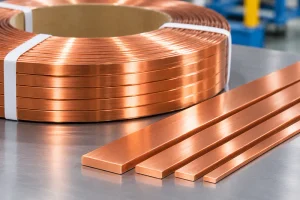
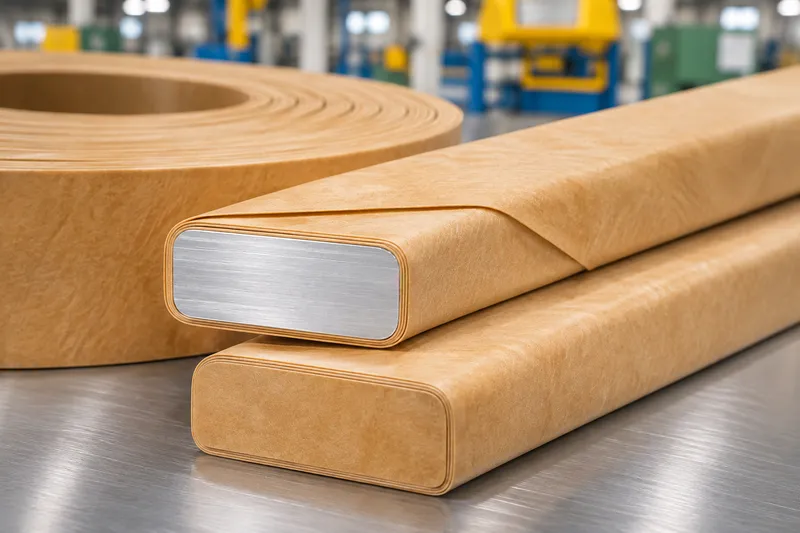
Paper insulated aluminum conductors are aluminum wires covered with one or more layers of electrical-grade insulating paper. Rectangular conductors are commonly used where a compact and orderly winding arrangement is required, although the conductor shape depends on the transformer design.
The paper covering provides electrical separation between adjacent turns and helps prevent direct metal-to-metal contact. In oil-immersed transformers, the insulation is dried and impregnated with insulating oil during the manufacturing process.
However, the paper covering alone does not determine the dielectric strength of the complete transformer. Insulation clearances, barriers, oil condition, and manufacturing quality also influence performance.
A paper-covered conductor is not a finished transformer winding. It must still undergo winding, electrical connection, mechanical support, drying, and integration into the transformer assembly.
2. Why Use Aluminum Conductors in Oil-Immersed Transformers?
Aluminum offers several potential advantages in transformer manufacturing, particularly its lower density and generally lower raw-material cost compared with copper.
However, aluminum has lower electrical conductivity. Under comparable conditions, a larger aluminum cross-sectional area is required to achieve approximately the same DC resistance as a copper conductor of equal length.
This difference affects winding dimensions, insulation space, cooling arrangements, and overall transformer design. Mechanical properties and conductor connections must also be considered.
Aluminum should therefore not be treated as a direct replacement for copper at identical dimensions.
The economic evaluation should consider the complete transformer, including conductor consumption, winding geometry, insulation, connections, electrical losses, manufacturing processes, and operating requirements.
3. Aluminum Grades, Dimensions, and Edge Quality
Material selection begins with the required electrical conductivity and mechanical properties.
High-conductivity aluminum grades such as AA1350 are relevant to electrical conductor applications. Other grades, including AA1060 or AA1050, may be considered where their verified properties and applicable specifications meet the design requirements.
The exact alloy and temper must be confirmed before determining the forming process.
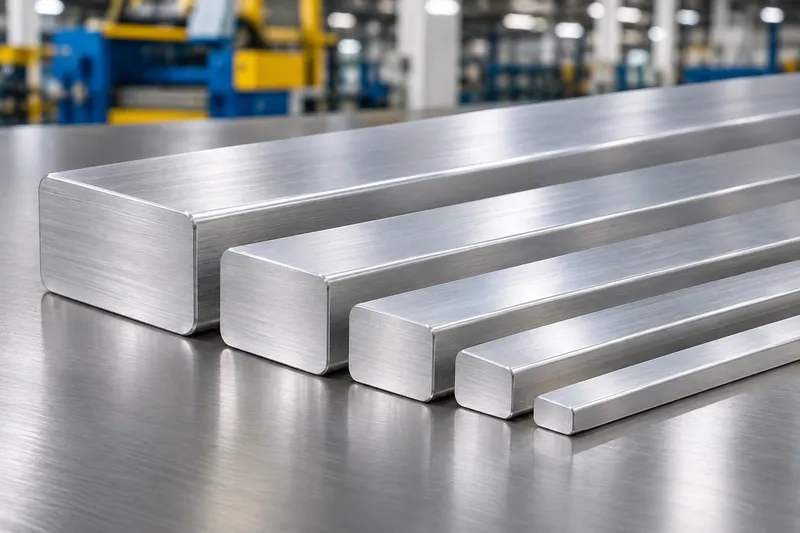
For rectangular aluminum conductors, important dimensional parameters include:
- Width and thickness
- Cross-sectional area
- Corner radius
- Dimensional tolerances
- Surface finish and edge condition
Poor dimensional consistency can affect winding alignment and insulation clearances. Sharp corners or burrs may damage insulating paper during wrapping or winding.
Specifications should clearly distinguish between the dimensions of the bare aluminum conductor and the overall dimensions after paper insulation.
4. How Paper Insulation Works in Oil-Immersed Transformers
Electrical-grade kraft paper and other approved insulating papers can be applied in multiple layers around aluminum conductors.
The number of layers, wrapping pitch, overlap, and total insulation thickness must follow the transformer design. Consistent paper coverage is particularly important around the corners of rectangular wires.
Paper insulation is hygroscopic, meaning it absorbs moisture from the surrounding environment. Excessive moisture can reduce dielectric performance and accelerate insulation aging.
Therefore, material storage, handling, drying, and oil impregnation require careful control.
The complete insulation system also includes insulating oil, spacers, barriers, and electrical clearances. Its performance must be evaluated as a whole rather than judged solely by the number of paper layers.
5. Manufacturing Process of Paper Insulated Aluminum Conductors
Producing paper-covered rectangular aluminum wire involves several coordinated manufacturing stages.
Step 1: Raw Material Preparation
Verify the aluminum grade, incoming dimensions, material condition, and surface quality.
Step 2: Drawing and/or Rolling
Use suitable wire drawing and rolling equipment to form the required rectangular cross-section. Width, thickness, corner radius, and dimensional consistency must be controlled.
Step 3: Surface Inspection
Check the conductor for burrs, scratches, contamination, and dimensional variation before insulation.
Step 4: Paper Covering
Apply the specified insulating paper using controlled wrapping tension, overlap, and layer arrangement.
Step 5: Take-Up and Handling
Wind the insulated conductor onto suitable reels while avoiding abrasion, excessive bending, and insulation damage.
Step 6: Transformer Winding and Assembly
Form the transformer winding, install the required supports and insulation, and complete the electrical connections.
Step 7: Drying and Oil Impregnation
Process the assembled insulation system according to the transformer manufacturer’s validated drying and oil-impregnation procedures.
The exact production sequence may vary between manufacturers.
For related upstream processes and equipment, explore our rolling mill solutions, precision flat wire rolling mill, and flat magnet wire production line guide.
6. Electrical, Thermal, and Mechanical Performance
The electrical performance of aluminum windings depends on conductor dimensions, current distribution, operating frequency, and winding geometry.
A larger conductor cross-section can reduce DC resistance, but additional AC losses must also be considered. Parallel conductors may require appropriate arrangements to limit unequal current sharing.
Thermal performance depends on conductor losses, oil circulation, cooling ducts, insulation thickness, and winding construction. Increasing conductor size does not automatically guarantee lower operating temperatures.
Mechanical strength is equally important. During short circuits, electromagnetic forces can deform inadequately supported windings.
The conductor’s mechanical properties, insulation compression, clamping arrangement, and electrical connections must therefore be evaluated together.
7. Quality Control Requirements
Quality inspection should cover both the bare aluminum conductor and the finished paper-covered wire.
| Inspection item | Key requirements | Purpose |
|---|---|---|
| Aluminum material | Alloy, temper, conductivity, traceability | Consistent material properties |
| Bare conductor dimensions | Width, thickness, corner radius | Stable winding geometry |
| Surface quality | Burrs, scratches, cleanliness | Prevent insulation damage |
| Paper insulation | Layer count, overlap, coverage, insulation thickness | Consistent electrical separation |
| Handling and storage | Reel condition, bending, abrasion, moisture exposure | Protect conductor and insulation |
| Final validation | Specified insulation and transformer tests | Verify overall design performance |
Common production risks include uneven paper wrapping, insulation damage at conductor corners, moisture contamination, and inconsistent wire dimensions.
A conductor that appears visually acceptable does not necessarily guarantee that the completed transformer will satisfy its electrical and thermal requirements.
8. How to Specify Paper Insulated Aluminum Conductors
A complete technical specification helps manufacturers select suitable materials and production equipment.
The initial inquiry should identify the aluminum grade and temper, incoming material dimensions, required bare conductor width and thickness, corner radius, tolerances, and production capacity.
It should also define the insulation paper type, number of layers, wrapping arrangement, and final insulated dimensions.
Additional information should include the intended transformer application, winding configuration, reel requirements, and applicable technical standards.
Where possible, provide a conductor cross-sectional drawing. This helps distinguish upstream aluminum wire forming requirements from paper covering and transformer winding requirements.
Frequently Asked Questions
Are paper insulated aluminum conductors suitable for all oil-immersed transformers?
No. Their suitability depends on the transformer’s electrical, thermal, mechanical, and insulation requirements. Each application requires appropriate design verification.
Can aluminum wire replace copper wire of the same dimensions?
Not directly. Aluminum has lower electrical conductivity than copper. Achieving comparable resistance generally requires a larger aluminum cross-section under similar conditions.
Can a flat wire rolling mill produce complete paper insulated aluminum conductors?
Not by itself. A flat wire rolling mill forms the required conductor geometry. Paper covering requires dedicated insulation equipment, while transformer winding and oil impregnation involve additional manufacturing processes.
Conclusion
Paper insulated aluminum conductors can be a practical choice for oil-immersed transformer windings when conductor geometry, insulation, electrical connections, and cooling are engineered as a complete system.
Material selection alone does not guarantee efficiency or long-term reliability. Consistent wire forming, controlled paper insulation, and validated transformer manufacturing are equally important.
Sky Bluer Environmental Technology Co., Ltd. (CRM) manufactures precision rolling mills and customized equipment for forming rectangular aluminum, copper, and other metal wires.
Share your material grade, input dimensions, target width and thickness, tolerance requirements, and production capacity with our engineering team to discuss a suitable upstream rectangular-wire forming solution.