Introduction
To manufacture nickel alloy flat wire, manufacturers need to follow strict multi-step cold working and thermal treatment. Improper operation of nickel alloy wire drawing machine, annealing furnace or rolling mill will directly lead to defective finished products. This step-by-step operation guide summarizes standardized production procedures for small batch prototype and mass industrial production, matching Sky Bluer full set flat wire processing equipment. It covers practical operational parameters and common troubleshooting tips to help factory operators cut waste and boost stable output, and forms a complete supporting part of our nickel alloy processing topic cluster.
Pre-Production Preparation (Step 1–Step 3)
Step 1: Raw Material Inspection & Cutting
Check nickel alloy round rod surface for cracks, oxide pits and dimensional deviation. Cut raw rods into fixed length according to drawing machine unwinding frame limit.
Raw Rod Specification Matching Different Drawing Machine Models
| Drawing Machine Model | Max Input Rod Diameter | Single Rod Standard Length | Suitable Daily Output |
| NA-60 Micro Drawing Machine | 2.0mm | 1000m | 0.3–0.8 Ton |
| NA-120 Standard Drawing Machine | 4.5mm | 1500m | 1–3 Ton |
| NA-180 Heavy-Duty Drawing Machine | 8.0mm | 2000m | 3–6 Ton |
Step 2: Surface Pickling & Lubrication Preprocessing
Nickel alloy forms dense oxide layer at high temperature; acid washing removes surface impurities. After cleaning, coat special metal drawing lubricant to reduce friction inside drawing dies during cold drawing.
Step 3: Equipment Pre-Inspection
Check cooling water circulation, die wear, tension sensor and annealing furnace temperature of Nickel Alloy Wire Drawing Machine. Replace damaged tungsten carbide dies in advance to avoid wire breakage during formal production.
H2: Core Cold Drawing Stage (Step 4–Step 5)
Step 4: Multi-Pass Continuous Wire Drawing
Load pretreated nickel alloy rod into drawing machine unwinder. Set multi-pass diameter reduction parameters according to target base wire size. Sky Bluer drawing machines support automatic pass switching without manual shutdown.
Key operation tips: Control drawing speed between 15–60 m/min based on alloy hardness; maintain lubricant temperature at 35–45℃ to stabilize surface finish.
Step 5: Intermediate Annealing Treatment
After 4–6 drawing passes, nickel alloy produces serious work hardening. Transfer semi-finished round wire to continuous annealing furnace under nitrogen protection to restore material ductility, avoiding fracture in subsequent flat rolling.
Flat Forming & Finishing Processing (Step 6–Step 9)
Step 6: Precision Flat Rolling
Send annealed round wire to rolling mill unit of [Nickel Alloy Flat Wire Production Line]. Adjust upper and lower roller gaps to form target flat wire width and thickness. Servo automatic correction system eliminates unilateral thickness deviation.
Rolling Parameter Reference for Common Nickel Alloy Flat Wire
| Finished Flat Wire Spec | Rolling Speed | Annealing Temperature | Required Drawing Machine Model |
| 0.05mm × 1.0mm Nichrome Flat Wire | 25 m/min | 980℃ | NA-60 Micro Drawing Machine |
| 0.2mm × 5.0mm Monel Flat Wire | 40 m/min | 920℃ | NA-120 Standard Drawing Machine |
| 0.5mm × 12mm Inconel Flat Wire | 30 m/min | 1050℃ | NA-180 Heavy-Duty Drawing Machine |
Step 7: Secondary Fine Drawing & Polishing
Carry out light fine drawing to eliminate rolling surface burrs, improve flat wire surface smoothness to Ra≤0.2μm. This mild precision drawing removes tiny roller marks without changing finished wire dimensions, ideal for electronic and new energy precision applications.
Step 8: Online Dimensional & Surface Inspection
Automatic laser thickness gauge and CCD visual inspection system detect size out-of-tolerance and surface scratches in real time, auto mark defective sections. All flaws are logged automatically to cut defective product outflow and reduce manual checking workload.
Step 9: Constant Tension Winding & Packaging
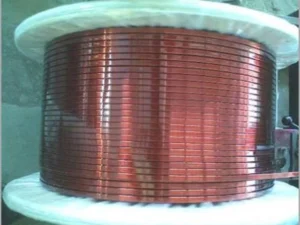
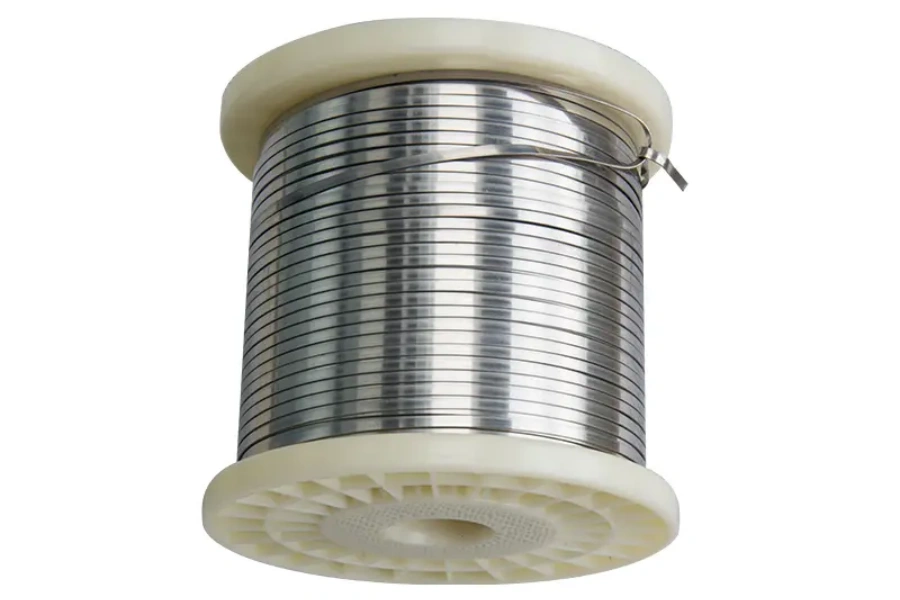
Qualified flat wire is evenly wound on plastic spools, sealed with anti-oxidation packaging for storage and delivery. Stable servo tension control avoids wire warping, while multi-layer moisture-proof packaging prevents oxidation during transit.
Complete Visual Process Flow Summary
Raw Nickel Alloy Rod
→ Inspection & Cutting
→ Pickling Lubrication
→ Drawing Machine Multi-Pass Reduction
→ Intermediate Annealing
→ Flat Rolling
→ Fine Polishing Drawing
→ Online Inspection
→ Finished Winding
This full closed-loop workflow relies on matched nickel alloy wire drawing equipment to control dimensional precision and surface quality step by step. Every procedure connects seamlessly to lower scrap rates and guarantee consistent finished flat wire performance.
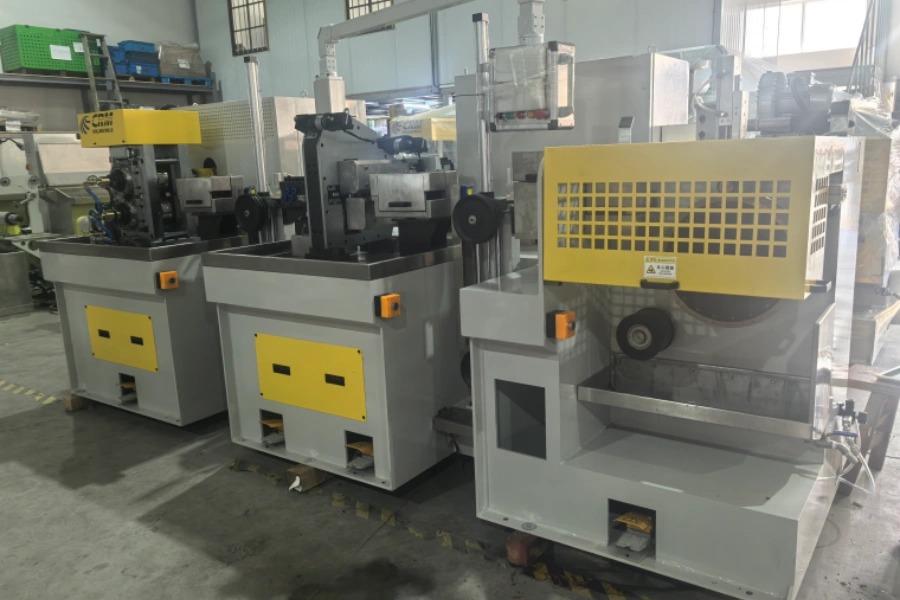
FAQ Module
Q1: How to adjust drawing machine speed to prevent nickel wire breakage?
A1: Harder alloys like Inconel require lower drawing speed; pure nickel and nichrome can run at medium speed. Reduce speed by 30% if frequent wire breakage occurs, and check die lubrication status simultaneously.
Q2: Can I skip intermediate annealing to improve production efficiency?
A2: Not recommended. Nickel alloy hardens rapidly after cold drawing; skipping annealing will lead to continuous wire fracture and massive material waste.
Q3: What lubricant works best for nickel alloy wire drawing?
A3: High-temperature extreme pressure metal drawing oil designed for nickel base alloy, with anti-oxidation and anti-wear additives matched to Sky Bluer drawing machine circulation system.
Q4: How to fix uneven thickness after flat rolling?
A4: Calibrate rolling mill servo gap sensor, check drawing machine output wire roundness, and ensure consistent tension during wire feeding.
Process Summary & Custom Equipment Inquiry
This step-by-step operation guide covers the full standardized production flow of nickel alloy flat wire from raw material pretreatment, multi-pass cold drawing, intermediate annealing, precision flat rolling to finished inspection and winding, with two sets of core parameter tables for drawing machine model matching and rolling process reference to help factory operators reduce wire breakage and dimensional out-of-tolerance issues. All operation standards are consistent with the core process logic introduced in Nickel Alloy Flat Wire: Complete Manufacturing Guide.
Sky Bluer Environmental Technology Co., Ltd provides one-stop supporting services including nickel alloy wire drawing machine, flat rolling mill, continuous bright annealing furnace and full automatic nickel alloy flat wire production line. We offer free on-site equipment operation training, long-term technical process guidance and global after-sales maintenance for all purchasers. If your factory plans to upgrade old processing equipment or build a new nickel alloy flat wire production workshop, send your product specifications and output requirements via our website contact channel, and our professional engineers will customize exclusive equipment matching solutions for you without extra consultation fees.