Introduction
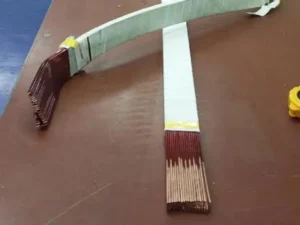
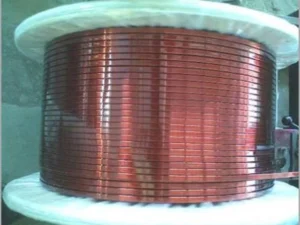
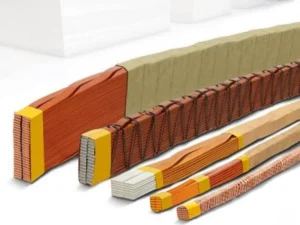
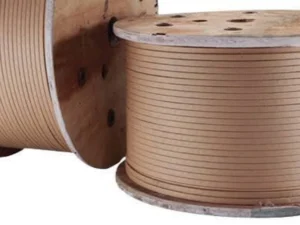
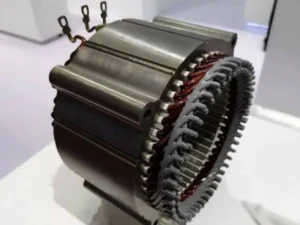
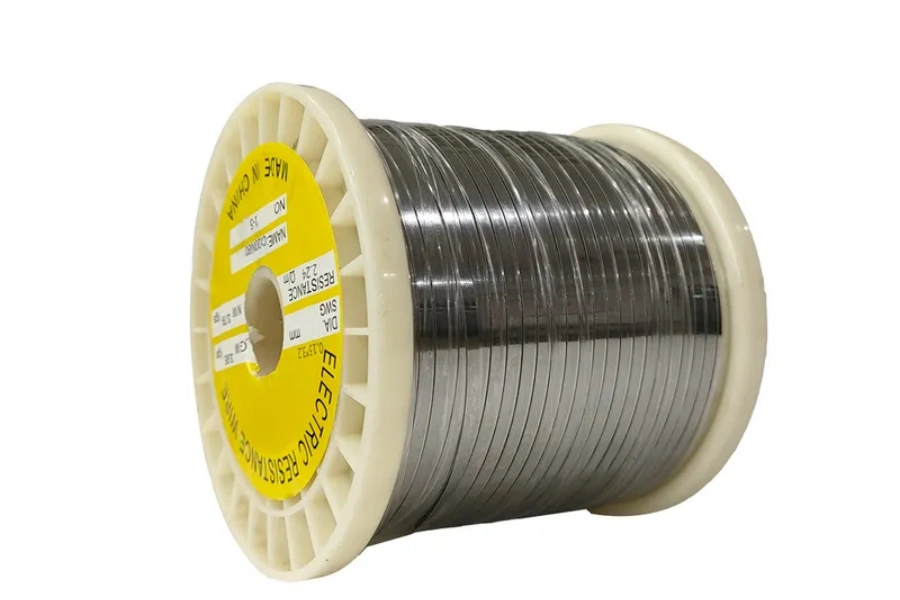
Nickel alloy flat wire is a critical precision metal material widely used in aerospace connectors, lithium battery tabs, electronic resistance components, and corrosion-resistant instrumentation. Unlike round nickel wire, flat nickel alloy strip wire requires integrated drawing, rolling, annealing and finishing processes, which rely entirely on professional nickel alloy wire drawing machine and full automatic nickel alloy flat wire production line to guarantee dimensional tolerance and surface finish.
Many metal processing factories face inconsistent wire thickness, surface scratches, low production efficiency and high material waste when producing nickel flat wire, mainly due to mismatched drawing equipment and unreasonable process flow. This full manufacturing guide covers raw material selection, core production processes, key equipment parameters, common production defects, equipment purchasing standards and real industrial application cases, serving as the central pillar page for our nickel alloy wire processing equipment topic cluster.
Core Raw Material Classification & Parameter Comparison
Common Nickel Alloy Raw Materials for Flat Wire Production
| Alloy Grade | Main Composition | Key Performance | Typical Application | Matching Drawing Machine Model |
| Monel 400 | Ni 67%, Cu 30% | Anti-seawater corrosion, high ductility | Marine sensors, pipeline wiring | NA-120 Nickel Alloy Wire Drawing Machine |
| Inconel 600 | Ni72, Cr15, Fe8 | High temperature resistance, oxidation resistance | Aerospace thermal components | NA-180 Heavy-Duty Drawing Machine |
| Nichrome 80/20 | Ni80, Cr20 | Stable resistance, heat generation | Heating resistance wire, electronic resistors | NA-80 Precision Fine Wire Drawing Machine |
| Alloy 200 Pure Nickel | Ni≥99.5% | High conductivity, low impedance | Lithium battery connecting tabs | NA-60 Micro Wire Drawing Machine |
Nickel alloy raw materials have higher hardness and tensile strength than copper and stainless steel, so standard copper wire drawing machine cannot meet processing requirements. Specialized nickel alloy wire drawing machine with customized die holders and cooling systems is mandatory for long-term stable production.
Full Nickel Alloy Flat Wire Manufacturing Process Flow
Raw Nickel Alloy Round Rod
→ Surface Pickling & Oxide Removal
→ Multi-pass Wire Drawing (Nickel Alloy Wire Drawing Machine)
→ Intermediate Bright Annealing
→ Precision Flat Rolling
→ Final Fine Drawing
→ Finishing Polishing
→ Size Inspection & Winding → Finished Flat Wire Storage
- Pickling: Remove surface oxide layer to avoid die scratching during drawing
- Multi-pass drawing: Reduce round wire diameter to target base size via drawing machine
- Annealing: Eliminate work hardening of nickel alloy to prevent wire breakage
- Flat rolling: Convert round wire into rectangular flat wire by rolling mill unit
- Finishing drawing: Control flat wire thickness tolerance within ±0.001mm
- Winding & inspection: Automatic online dimensional testing before packaging
For detailed step-by-step operation standards, refer to How to Manufacture Nickel Alloy Flat Wire: Step-by-Step Guide.
Core Production Equipment Composition
Standard Equipment Configuration of Nickel Alloy Flat Wire Production Line
| Equipment Unit | Core Function | Key Technical Advantage of Sky Bluer Equipment |
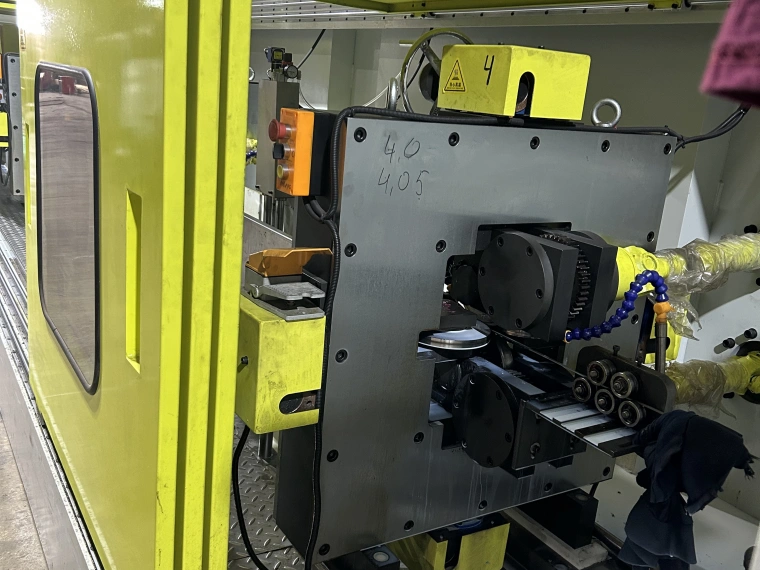
| Nickel Alloy Wire Drawing Machine | Primary diameter reduction, multi-pass cold drawing | Wear-resistant tungsten carbide drawing dies, closed-loop water cooling system, low wire break rate |
| Continuous Bright Annealing Furnace | Stress relief, improve wire ductility | Nitrogen protective atmosphere, no surface oxidation |
| Precision Flat Rolling Mill | Form flat wire cross-section | Servo thickness control, tolerance ±0.0005mm |
| Automatic Take-up & Unwinding Machine | Stable wire winding, avoid deformation | Constant tension control, adjustable winding speed |
All individual machines can be combined into an integrated Nickel Alloy Flat Wire Production Line to realize fully automatic unmanned production.
Industrial Application Scenarios of Nickel Alloy Flat Wire
New Energy Industry: Lithium battery positive/negative connecting tabs, high-current conductive flat wire
- Aerospace: High-temperature resistant wiring, engine sensor signal wire
- Electronic Components: Precision resistance wire, heating element flat strip
- Marine Equipment: Anti-corrosion underwater signal transmission wire
- Medical Instruments: Biocompatible nickel alloy flat wire for implant components
Common Production Defects & Brief Solutions
Frequent problems including wire breakage, surface scratches, uneven flat thickness, oxidation discoloration are fully analyzed in Common Challenges in Nickel Alloy Wire Drawing and Their Solutions. If you plan to purchase new processing equipment, check our professional purchasing guide How to Choose the Right Nickel Alloy Wire Drawing Machine to avoid mismatched machine models.
FAQ Module
Q1: What is the difference between nickel alloy wire drawing machine and ordinary stainless steel drawing machine?
A1: Nickel alloys have higher tensile strength and hardening tendency. Sky Bluer nickel alloy drawing machines adopt enhanced main drive motor, special cooling lubrication circulation and high-hardness drawing dies, which can reduce wire breakage rate by over 40% compared with general models.
Q2: Can one production line produce multiple grades of nickel alloy flat wire?
A2: Yes. Our full nickel alloy flat wire production line supports quick mold replacement and parameter adjustment, compatible with Monel, Inconel, nichrome and pure nickel materials.
Q3: What dimensional tolerance can precision nickel alloy flat wire reach?
A3: With matched drawing machine and rolling mill, finished flat wire thickness tolerance can reach ±0.001mm, width tolerance ±0.002mm, meeting aerospace and medical precision standards.
Q4: Is intermediate annealing necessary during nickel alloy drawing?
A4: Mandatory. Nickel alloy will produce severe work hardening after multiple drawing passes; without annealing, wire will crack and break continuously.
Q5: How to reduce production cost of nickel alloy flat wire?
A5: Adopt automatic integrated production line to cut labor cost, use high-life drawing dies to lower consumable expenses, and optimize drawing process parameters to reduce material scrap rate.
Q6: What after-sales service do you provide for drawing machines and production lines?
A6: Sky Bluer provides global on-site installation, 24-month equipment warranty, free process formula debugging and lifelong spare parts supply.
Overall Summary & Inquiry Guidance
This full manufacturing pillar guide systematically sorts out nickel alloy flat wire raw material selection, standardized production workflow, core equipment parameter configuration, typical industrial application scenarios and frequent drawing defects. As the core hub of the nickel alloy wire processing topic cluster, this page links all five supporting process and equipment articles to build a complete Google-friendly topical pyramid structure, helping metal processing manufacturers quickly find matching drawing equipment and process solutions.
Sky Bluer Environmental Technology Co., Ltd specializes in customized nickel alloy wire drawing machine and integrated nickel alloy flat wire production line tailored for aerospace, new energy battery, electronic resistance and marine corrosion-resistant wire manufacturing. Our engineering team can formulate exclusive process schemes, output equipment parameter sheets and factory layout drawings according to your target flat wire dimensional tolerance, daily output and alloy material grade. If you encounter unstable wire quality, low production efficiency or high scrap rate during nickel alloy flat wire processing, fill in the contact form on this page to send your production demands, and our technical sales team will deliver a detailed quotation and free process debugging plan within 24 working hours.