Wire Flattening Technology: How Automatic Flattening Equipment Transforms Metal Wires
In the manufacturing of metal components, flat wires and strips have become indispensable materials in industries ranging from automotive to electronics, thanks to their unique mechanical properties and adaptability. Behind the production of these high-precision flat materials lies a key piece of equipment: the automatic wire flattening mill. But how does this machine turn round wires or thick strips into uniform, precise flat products? This article will delve into the working principles, core technical features, and practical application value of automatic wire flattening equipment, helping you understand its role in modern industrial production.
1. The Core Working Principle of Automatic Wire Flattening Equipment
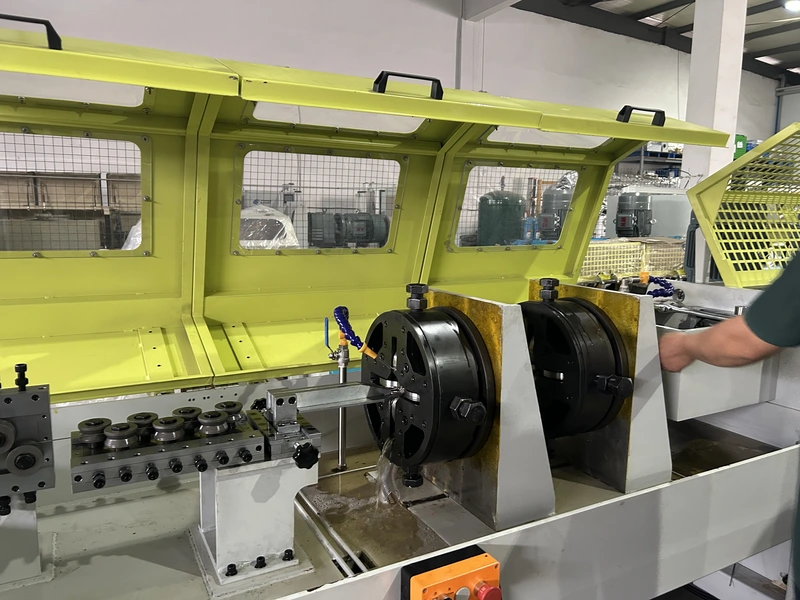
At its heart, automatic wire flattening equipment relies on the principle of controlled plastic deformation to process metal wires or strips. Unlike traditional manual flattening, which is inefficient and inconsistent, this automated equipment uses precision-engineered flattening rolls as the core execution component. When the metal material passes through the nip (adjustable gap) between two or more hardened rolls, it is subjected to uniform compressive force. The thickness of the material is reduced according to the preset roll gap, while the width remains stable—achieving the transformation from round wire to flat wire or from thick strip to thin strip.
The key to this process lies in “precision control”: the drive system maintains a stable speed to ensure uniform compression, the tension control mechanism prevents material slippage or wrinkling, and the roll gap adjustment structure allows for micron-level thickness regulation. Together, these systems ensure that the final flat wire meets strict dimensional requirements.
2. Key Technical Features That Determine Performance
The performance of an automatic wire flattening mill is determined by several core technical features, which directly affect the quality of the finished product and production efficiency:
- Roll Material & Design: Flattening rolls are typically made of hardened steel or carbide, with a wear-resistant surface that ensures long-term precision. The cylindrical design and precise alignment of the rolls guarantee uniform force application across the material’s width, avoiding uneven flattening.
- Multi-Station Flattening: Advanced equipment adopts a multi-station mill stand, allowing for gradual thickness reduction through multiple sets of rolls. This design reduces material stress and deformation, ensuring better flatness and dimensional stability compared to single-station flattening.
- Intelligent Control Systems: Modern flattening machines integrate speed, torque, and tension control systems. Operators can set parameters via a control panel, and the equipment automatically adjusts to maintain stability—even when processing different materials (such as copper, aluminum, or steel wires).
- Cooling & Lubrication Integration: During high-speed flattening, friction generates heat that can distort the material. The built-in cooling system dissipates heat in real time, while the lubrication system reduces friction between the rolls and the material, extending roll life and improving product surface quality.
3. How Flat Wire Technology Drives Industry Development
Automatic wire flattening equipment is not just a production tool—it is a key enabler of innovation in multiple industries. Its ability to produce high-precision flat wires has opened up new application possibilities:
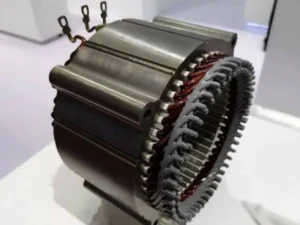
- Automotive Industry: Flat wires are used in engine valves, suspension springs, and electrical connectors. Their high strength and compact design help reduce vehicle weight and improve energy efficiency.
- Electronics & Electrical Engineering: Precision flat wires are essential for miniaturized electronic components, such as circuit board connectors and lithium-ion battery tabs. The uniform thickness ensures reliable electrical conductivity and mechanical stability.
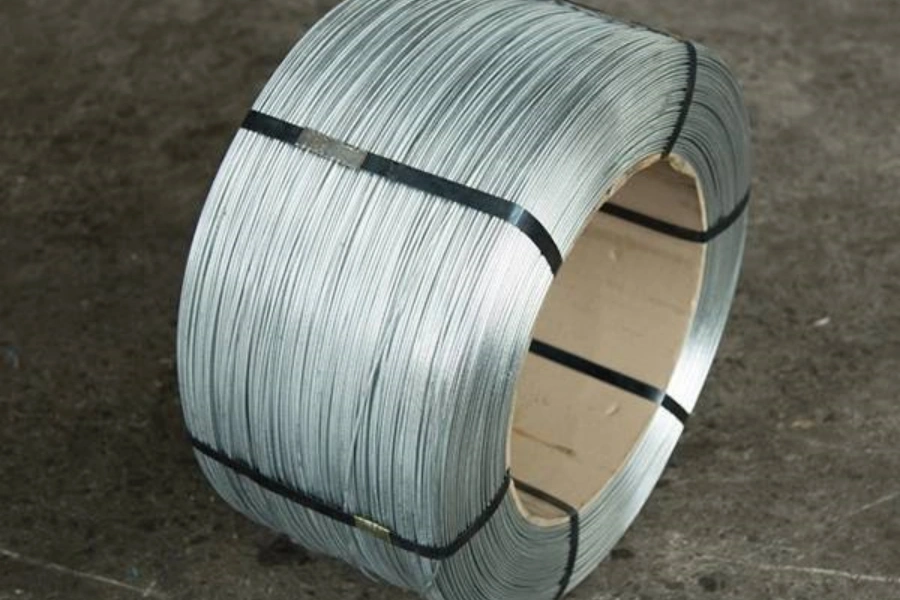
- Wire Mesh & Filter Manufacturing: Flat wires with consistent width and thickness are woven into industrial meshes, filters, and screens. These products are widely used in water treatment, air purification, and food processing due to their high filtration efficiency.
- Specialty Industries: In aerospace and medical device manufacturing, flat wires made from high-temperature-resistant or biocompatible materials (e.g., titanium alloy) are used in components such as aircraft hydraulic systems and medical implants.
- Craft & Jewelry Making: Customized flat wires are favored by jewelry designers for creating unique chains, pendants, and bracelets. The equipment’s ability to produce small-batch, customized sizes meets the needs of the creative industry.
4. Factors to Consider When Choosing Flattening Equipment
For enterprises looking to invest in automatic wire flattening technology, several factors should be considered to ensure the equipment meets their specific needs:
- Material Compatibility: Different materials (e.g., soft aluminum vs. hard steel) require rolls of different hardness and processing speeds. Choose equipment that can adapt to your target material.
- Dimensional Requirements: Consider the thickness range and width of the flat wire you need. Ensure the equipment’s roll gap adjustment range and roll length can accommodate your production needs.
- Production Efficiency: For large-scale production, select equipment with a high-speed drive system and multi-station design to improve throughput. For small-batch, customized production, prioritize flexibility and easy parameter adjustment.
- After-Sales Support: Look for manufacturers that offer maintenance services, spare parts supply, and technical training. Regular maintenance of rolls and control systems is crucial for long-term stable operation.
Conclusion
Automatic wire flattening technology has become a cornerstone of modern metal processing, bridging the gap between raw metal wires and high-performance flat products. Its precision, efficiency, and versatility make it indispensable in industries ranging from automotive to electronics, driving product innovation and quality improvement. As technology advances, we can expect even more intelligent and efficient flattening equipment to emerge, further supporting the development of high-end manufacturing. Whether you are a manufacturer looking to upgrade production lines or a professional interested in metal processing technology, understanding the principles and applications of automatic wire flattening equipment provides valuable insights into the future of industrial production.