Introduction
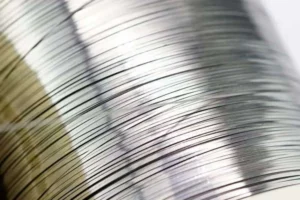
Stainless steel flat wire is an essential material used across industries ranging from electronics and automotive to industrial machinery, where its performance relies heavily on precise dimensions, tight tolerances, and high-quality surface finish. Customizing the size and tolerance of stainless steel flat wire goes beyond merely rolling metal; it ensures the reliability, performance, and longevity of the final applications. In this article, we discuss key aspects of stainless steel flat wire production, including typical wire dimensions and material grades, proper material preparation, the rolling process for precise size control, tolerance and quality management strategies, and the applications along with the specifications of the equipment used to produce high-quality flat wire.
-300x200.webp)
Typical Stainless Steel Flat Wire Dimensions and Grades
Stainless steel flat wire is manufactured to meet a wide range of industrial specifications. The following table summarizes common dimensions:
| Parameter | Typical Range | Notes |
| Width | 0.5 mm – 50 mm | Custom widths available |
| Thickness | 0.1 mm – 5 mm | Achievable through multi-pass rolling |
| Flatness | 0.01 mm – 0.05 mm | Critical for electrical and mechanical parts |
| Surface Finish | Ra 0.2 – 0.8 μm | Polished or matte based on application |
| Grades | 304, 316, 321, 430, Specialty | Selected based on corrosion, tensile strength, and flexibility |
Key considerations for dimension selection:
- Width vs. thickness ratio
- Application stress levels
- End-use environmental conditions
Stainless Steel Flat Wire Material Preparation for Optimal Rolling
High-quality stainless steel flat wire begins with careful material preparation, which ensures precise dimensions, uniform surface quality, and consistent ductility. Key steps include:
- Annealing: Relieves internal stresses and improves flexibility for rolling, often using controlled heating cycles to refine the metal’s microstructure.
- Surface Cleaning: Removes scale, oil, and oxides using mechanical brushing or chemical cleaning, preventing defects and reducing roll wear.
- Precision Slitting: Cuts raw material close to final width with minimal edge deformation, supporting tight tolerances in subsequent rolling.
- Preliminary Inspection: Uses visual and digital measurement systems to check thickness, flatness, and surface quality before rolling.
These steps combine traditional methods with modern monitoring to prepare stainless steel flat wire for precise rolling and superior performance.
Stainless Steel Flat Wire Rolling Process for Precise Size Control
Customizing dimensions is achieved through precise rolling technology:
- Cold rolling: Reduces thickness gradually in multiple passes, ensuring uniform flatness.
- Flatness adjustment: Roll spacing, tension, and mill alignment are calibrated for minimal edge waviness.
- Intermediate inspections: Using micrometers, laser measurement systems, or 3D coordinate measuring machines (CMM) to verify compliance.
- Edge control: Optional cropping or R-radius rolling to prevent burrs and sharp corners.
Process parameters in table form:
| Parameter | Typical Range | Importance |
| Roll gap accuracy | ±0.01 mm | Ensures precise thickness |
| Rolling speed | 0.5 – 5 m/s | Balanced for surface finish and stress |
| Lubrication type | Oil / Emulsion | Reduces friction and die wear |
| Annealing temperature | 800 – 1050 °C | Prevents cracks and improves ductility |
Tolerance and Quality Control for Stainless Steel Flat Wire
Ensuring tight tolerances and consistent quality is essential for stainless steel flat wire used in critical applications. Advanced tolerance and quality control measures help maintain dimensional accuracy, surface integrity, and edge precision. Key practices include:
- Dimensional Tolerance: Achievable precision ranges from ±0.01 mm to ±0.05 mm depending on wire width and thickness, ensuring components fit perfectly in demanding assemblies.
- Surface Inspection: Combines visual checks and automated scanning systems to detect scratches, pits, or oxides, preserving both aesthetics and functionality.
- Edge Radius Control: Adjustable R0.2 – R1.0 mm edges are possible through precise rolling techniques, reducing stress concentration and improving handling safety.
- Documentation and Certification: Detailed records of material grade, width, thickness, flatness, and inspection results provide full traceability and quality assurance.
These measures, integrated with modern monitoring technologies, ensure that each stainless steel flat wire meets stringent industrial standards for reliability, performance, and durability.
Conclusion: Best Practices for Producing High-Quality Stainless Steel Flat Wire
Sky Bluer Environmental Technology Co., Ltd manufactures advanced precision rolling mills capable of producing stainless steel flat wire across a wide range of widths, thicknesses, and edge radii. Our equipment supports multiple grades, including 304, 316, 321, 430, and other specialty alloys, ensuring versatility for diverse industrial needs. The stainless steel flat wire produced with our rolling mills is suitable for a variety of applications, such as automotive springs and connectors, electronic components, industrial machinery, construction, and medical instruments. By combining precise rolling technology with strict quality control, we guarantee consistent size, tight tolerances, and superior flatness, meeting the demands of high-performance applications.
Contact Sky Bluer Environmental Technology Co., Ltd today to learn how our rolling mills can help you achieve the perfect stainless steel flat wire for your projects.