Introduction
In metal wire manufacturing, the wire drawing machine is the backbone of production lines—directly determining finished wire quality (diameter accuracy, surface integrity, mechanical strength) and operational efficiency. Selecting the right model requires aligning machine capabilities with your production line’s unique needs: material properties, output volume, precision requirements, and end-application standards. Whether your line produces ultra-fine copper wire for electronics (0.01mm diameter, ±0.001mm tolerance) or high-strength stainless steel wire for marine engineering, this guide distills actionable insights to streamline decision-making for production line optimization.
Align with Production Line Core Requirements
The first step is matching machine specs to your line’s fundamental demands:
- Wire Form & Complexity: Round wire lines need uniform diameter control to avoid ovality; flat/complex profile lines (triangular/hexagonal wires for automotive fasteners) require specialized contour monitoring and edge integrity systems (width-thickness tolerance ±0.005mm) to prevent assembly failures.
- Material Compatibility:
| Material Type | Grade Examples | Process Requirement |
| Ductile Metals | Copper C1100、Aluminum 1050 | Adopt optimized emulsion/dry lubrication to reduce friction |
| Stainless Steel | 304 / 316L / 2205 | Integrate annealing at 800–1100°C to relieve work hardening |
| Brittle Alloys | Titanium Ti-6Al-4V、Inconel | Equip closed-loop tension control system via load cells |
- Volume & Precision Scales: Small-batch lines (custom prototypes, jewelry wire) benefit from quick die changes and flexible setups; high-volume lines (electrical copper, construction steel) need full automation (robotic handling, continuous feeding) for consistency. Medical/aerospace lines require real-time monitoring (laser gauges, surface scanners) to meet ISO 13485 standards (Ra ≤0.4μm).
Machine Types: Match to Production Line Workflows
Select a machine type that aligns with your line’s throughput and product mix:
| Machine Type | Key Production Line Fit | Ideal Line Applications |
| Single-Block | Manual adjustments, fast changeovers, low-volume flexibility | Small-batch custom lines, prototype production, artisanal metalwork |
| Multi-Block | Continuous multi-stage drawing, high throughput, consistent scaling | High-volume standard wire lines (electrical copper, low-carbon steel) |
| Hydraulic | Precision tension control, sensitive material handling | Specialty alloy lines (titanium, Inconel), ultra-fine wire lines (0.01-0.1mm) |
| Mechanical | High speed (up to 50m/s), cost-effective, robust for ductile metals | Mass-production lines (aluminum wire, automotive harness wire) |
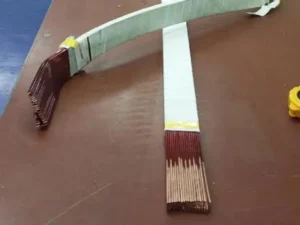
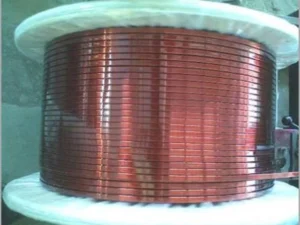
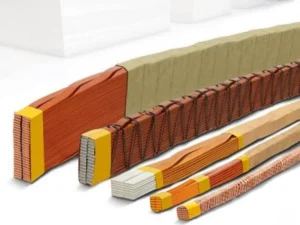
| Specialty Profile | Contour precision, custom die integration | Flat wire lines (motor windings), shaped wire lines (automotive fasteners) |
Critical Features for Production Line Optimization
Prioritize features that boost line efficiency and quality:
- Tension Control: Dynamic adjustment (±5% variation max) prevents necking/breakage, critical for multi-stage lines and specialty materials.
- Speed & Reduction Ratios: Ductile metals tolerate 20-25% per-stage reduction; hard alloys need 10-15%. High-speed lines require cooling systems to manage 200-300°C frictional heat.
- Automation & Monitoring: PLC systems sync speed/lubrication, cutting human error by 30%. In-line sensors reduce scrap via real-time adjustments.
- Die Compatibility: Quick-change holders enable material/profile switches in enhancing line flexibility.
Maintenance & Line Uptime
Maximizing production line availability relies on proactive maintenance design and reliable support. Open-frame machines enable easy access to drawing drums and lubrication lines, cutting maintenance downtime by 40-50% versus enclosed models for efficient routine checks and minor repairs. Automatic lubrication and cooling systems safeguard consistency: they deliver precise lubrication to reduce wire-die friction and stabilize temperatures, preventing overheating-related material defects or machine wear. Robust manufacturer support and global spare parts minimize disruptions via quick access to replacements. For high-volume lines, redundant components add reliability, keeping production running during unexpected issues.
Cost vs. Production Line Value
Balance upfront investment with long-term line performance:
- High-Volume Lines: Automated machines deliver 2x throughput vs. manual models; 1% scrap reduction saves tens of thousands annually, with ROI in 12-18 months.
- Specialty Lines: Premium hydraulic/specialty machines justify costs via 3-4% scrap rates (vs. 8-10% with standard models) for exotic alloys.
- ROI Drivers: Flexible machines enable line expansion into high-margin sectors (medical/aerospace) while cutting operational costs.
Conclusion
Choosing the right wire drawing machine for your production line requires aligning capabilities with material needs, throughput goals, and precision standards. Prioritize tension control, automation, and maintenance accessibility to maximize line uptime and quality.
At Sky Bluer Environmental Technology Co., Ltd, our tailored wire drawing equipment integrates seamlessly with diverse production lines—processing stainless steel, copper, aluminum, and specialty alloys for automotive, medical, electrical, and aerospace applications. With a 0.01-20mm size range and adjustable R-angle (0.1-5mm), our solutions boost line efficiency by 25-30%. Whether scaling high-volume lines or specializing in precision production, we optimize your machine for your unique line requirements.