Solar panels are marvels of engineering, converting sunlight into usable electricity with remarkable efficiency. But behind their sleek exterior lies a network of unsung heroes: solar panel conductive materials. These components—specifically solar ribbons, tab wires, and bus bars—are the “circulatory system” of a PV module, enabling the flow of electricity from individual solar cells to the grid. Without high-quality, well-designed conductive materials, even the most advanced solar cells would fail to deliver maximum power output or long-term reliability.
In this blog, we’ll demystify solar panel conductive materials, exploring their roles, the science behind their design, key selection factors, and why they’re critical to the success of solar installations worldwide. Whether you’re a solar panel manufacturer, an installer, or simply curious about how solar energy works, understanding these components will deepen your appreciation for the technology powering our renewable future.
The Core of Solar Conductivity: CDA 102 Copper
At the heart of nearly all high-performance solar panel conductive materials is CDA 102 copper—a premium grade of copper renowned for its exceptional electrical conductivity. With a minimum conductivity of 100% IACS (International Annealed Copper Standard), CDA 102 copper minimizes energy loss as electricity travels through the panel, ensuring that more of the sunlight captured by solar cells is converted into usable power.
But conductivity isn’t the only advantage of CDA 102 copper. It also boasts excellent corrosion resistance, a critical property for solar panels that spend decades exposed to harsh outdoor conditions—from scorching heat and heavy rain to salt spray (for coastal installations) and extreme temperature fluctuations. Unlike cheaper materials that may degrade over time, copper maintains its structural integrity and conductive performance for 25+ years, the typical lifespan of a solar panel.
While CDA 102 copper comes with a higher initial cost than alternatives like aluminum, its long-term reliability makes it a cost-effective investment. Solar panel manufacturers recognize that cutting corners on conductive materials can lead to reduced efficiency, premature failures, and higher maintenance costs—far outweighing the upfront savings of cheaper metals.
Solar Panel Conductive Materials: Roles & Differences
Solar panel conductive materials may seem similar at first glance, but each plays a distinct, specialized role in the PV module:
1. Solar Ribbons (Photovoltaic Ribbons)
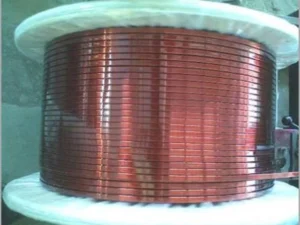
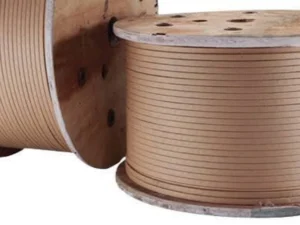
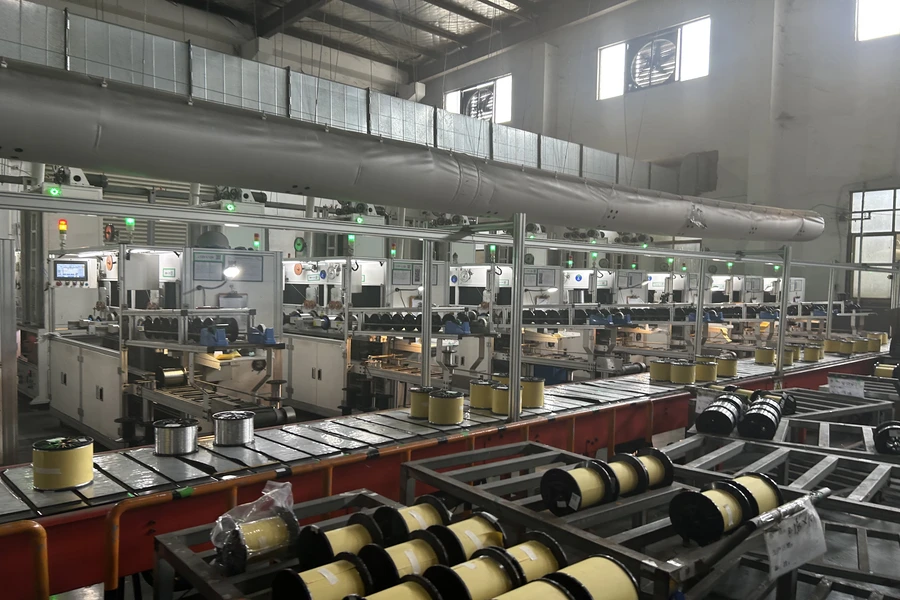
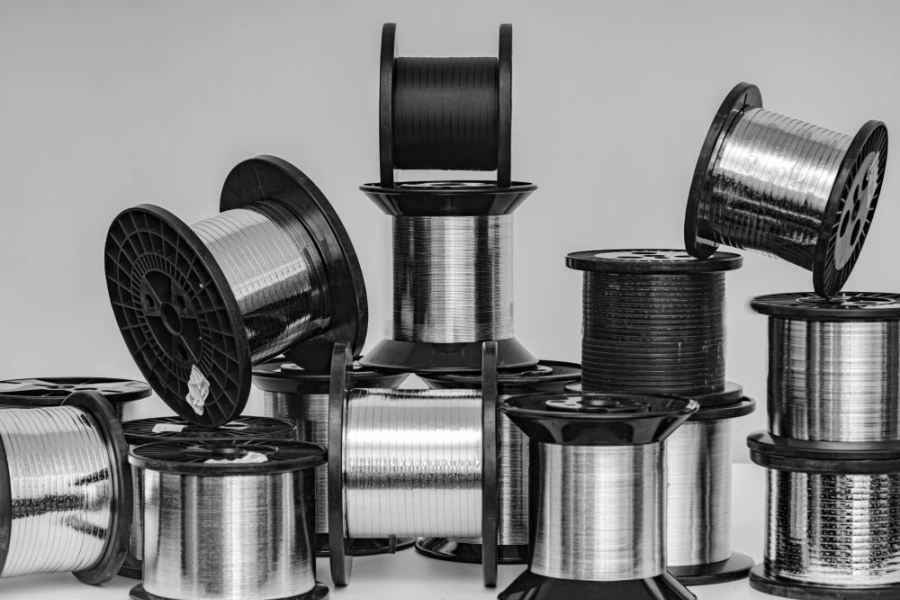
Solar ribbons—also called PV ribbons—are the primary conductive links in a solar panel. Made from flat, thin CDA 102 copper, they are coated with a layer of solder to facilitate bonding with solar cells. Their flat design maximizes contact area with the cell’s surface, ensuring efficient electricity transfer while minimizing shading (which can reduce cell performance).
2. Solar Tabbing Wires (Interconnect Ribbons)
Solar tabbing wires are a subset of solar ribbons, designed specifically to interconnect individual solar cells within a PV module. Each solar cell generates only a small amount of voltage (typically 0.5V), so tabbing wires link cells together in series to produce the higher voltage needed for practical use. These thin, flexible wires are carefully positioned to avoid covering the cell’s active area, balancing conductivity and light absorption.
3. Bus Bars (Ground Bars)
Bus bars are thicker, more robust conductive materials that act as “collectors” for the electricity generated by the interconnected solar cells. They gather the current from multiple cell strings and channel it to the panel’s junction box, where it is sent to an inverter for conversion from direct current (DC) to alternating current (AC). Bus bars also play a critical safety role as ground bars, redirecting excess current away from the panel to prevent electrical hazards.
Together, these three components form a seamless conductive network: tabbing wires connect cells, solar ribbons link cell strings, and bus bars deliver the collected power to the grid. Each part must work in harmony to ensure optimal performance.
Key Selection Factors for Solar Panel Conductive Materials
Choosing the right solar panel conductive materials is a critical decision for PV module manufacturers. The wrong choice can lead to reduced efficiency, increased failure rates, and shortened panel lifespans. Here are the key factors to consider:
1. Solar Cell Thickness
Modern solar cells are becoming increasingly thin (some as thin as 100μm) to reduce costs and improve flexibility. Conductive materials must be matched to the cell’s thickness to avoid damaging the delicate cells during installation. For example, thinner cells require softer, more flexible tabbing wires to prevent cracking under thermal stress or mechanical pressure.
2. Rated Current Transmission Capacity
The conductive materials must be able to handle the maximum current generated by the solar cells without overheating or voltage drop. This depends on the panel’s design (e.g., number of cells, cell efficiency) and the intended application (e.g., residential vs. utility-scale). Undersized materials can lead to energy loss, while oversized materials add unnecessary cost and weight.
3. Compatibility with Soldering Tin
Solar ribbons and tabbing wires are bonded to solar cells using solder. The material’s surface coating must be compatible with the solder to ensure a strong, durable bond. Poor solder compatibility can lead to delamination (separation of the ribbon from the cell) over time, reducing conductivity and panel performance.
4. Resistance to Thermal Stress & Permanent Deformation
Solar panels experience extreme temperature fluctuations—from freezing cold at night to intense heat during the day. These temperature changes cause the conductive materials to expand and contract. Materials with poor thermal stability can develop permanent deformation (creep) or cracks, leading to electrical failures. CDA 102 copper’s excellent thermal conductivity and ductility make it highly resistant to these stresses.
5. Corrosion Resistance
As mentioned earlier, solar panels are exposed to harsh outdoor conditions. Conductive materials must resist corrosion from moisture, salt, and other environmental factors. Copper’s natural corrosion resistance—enhanced by protective coatings—ensures long-term performance even in challenging environments.
Why High-Quality Conductive Materials Matter for Solar Panels
The performance and reliability of solar panel conductive materials directly impact the overall success of a solar installation. Here’s why investing in quality matters:
- Maximum Efficiency: Low-resistance CDA 102 copper minimizes energy loss, ensuring that more of the sunlight captured by the cells is converted into usable electricity. This translates to higher power output and faster return on investment for solar panel owners.
- Long-Term Reliability: Corrosion-resistant, thermally stable materials reduce the risk of premature failures, extending the panel’s lifespan and reducing maintenance costs.
- Structural Stability: Well-matched conductive materials protect delicate solar cells from damage during installation and operation, preventing cracks and delamination that can render cells ineffective.
- Safety: Robust bus bars with proper grounding ensure that excess current is safely redirected, reducing the risk of electrical fires or shocks.
For utility-scale solar projects, where thousands of panels are installed, the impact of conductive materials is amplified. A small reduction in efficiency or an increase in failure rates across a large fleet can result in significant financial losses. For residential installations, homeowners rely on their solar panels to deliver consistent power for decades—making reliability a top priority.
The Future of Solar Panel Conductive Materials
As solar technology continues to evolve, so too will solar panel conductive materials. Manufacturers are exploring new designs and materials to further improve efficiency, reduce costs, and enhance sustainability. For example:
- Multi-Bus Bar (MBB) Technology: MBB panels use more, thinner bus bars to reduce shading and improve current collection, requiring specialized conductive materials that are thinner and more flexible.
- Sustainable Coatings: Researchers are developing eco-friendly solder coatings that reduce the use of harmful metals while maintaining strong bonding performance.
- Advanced Alloys: While copper remains the gold standard, alloy combinations are being tested to further improve conductivity, corrosion resistance, and thermal stability.
These innovations will help drive the solar industry forward, making solar energy more efficient, affordable, and accessible than ever before.