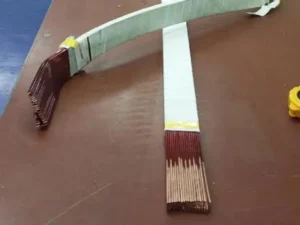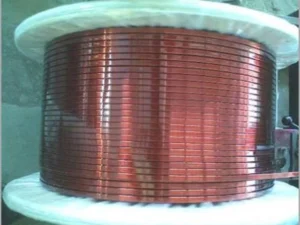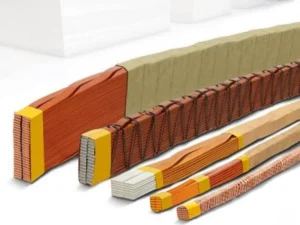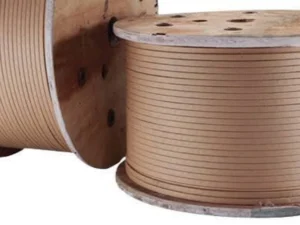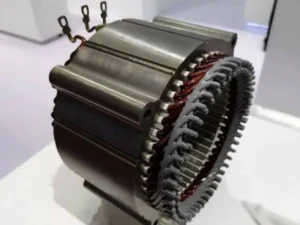
Stainless steel wire flattening machine is specialized industrial equipment designed to transform round stainless steel wires into flat or rectangular wires with precise dimensions, uniform thickness, and high-quality finishes. Ideal for processing popular grades like AISI 304 and 316L—known for corrosion resistance and durability—these machines play a critical role in powering key industries, from automotive to medical. In this comprehensive guide, we’ll explore the core components, working principles, functionality, and real-world applications of stainless steel wire flattening machines.
What Is a Stainless Steel Wire Flattening Machine?
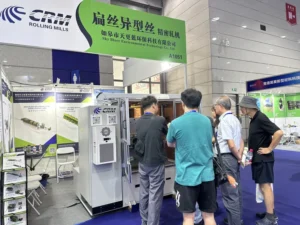
A stainless steel wire flattening machine is a precision-engineered tool that compresses round stainless steel wire into flat/rectangular shapes while maintaining strict dimensional accuracy and material integrity. Unlike generic wire processing equipment, it’s tailored to handle the unique properties of stainless steel (e.g., hardness, corrosion resistance) and specialized grades like 304 (food-grade, general-purpose) and 316L (high-corrosion resistance for medical/chemical use). Modern models—such as the CRM2024-M—integrate advanced controls and safety features to deliver consistent results at industrial-scale speeds.
-300x200.webp)
Key Components of a Stainless Steel Wire Flattening Machine
Every high-performance wire flattening machine relies on interconnected components to ensure smooth, precise operation. Below are the critical parts and their functions:
1. Feed Mechanism/Payoff System
The feed system is the starting point of the flattening process, consisting of a spool/coil holder that supplies raw round wire to the machine. A standout feature of top-tier models (like the CRM2024-M) is the vertical double-head payoff system—two coil holders that rotate independently to ensure a continuous, steady wire feed. This design eliminates downtime for coil changes and prevents tangling, even for coils without precision laying.
2. Straightening Unit
Before flattening, raw wire must be free of bends or kinks—otherwise, the final flat wire will have inconsistent thickness. The straightening unit integrates a series of precision rollers aligned in the same line as the feed mechanism. These rollers gently straighten the wire, ensuring a smooth, uniform feed into the flattening section. For optimal results, the straightening unit is calibrated to match the wire’s diameter (typically 0.5–12mm for stainless steel).
3. Wire Flattening Rollers
The core component of the machine, flattening rollers are paired (upper and lower) to compress the straight wire into flat/rectangular shapes. Constructed from high-strength tungsten carbide, these rollers withstand extreme pressure and friction—critical for processing hard stainless steel grades. The rollers’ surface is polished to prevent scratches, ensuring the flat wire’s finish meets industry standards (Ra ≤0.2μm for medical/aerospace use).
4. Adjustment Mechanism
To achieve the desired flat wire thickness (ranging from 0.1–5mm), the machine features a precision adjustment mechanism. This allows operators to fine-tune the gap between the flattening rollers—either manually (for basic models) or automatically (for advanced CNC-controlled systems). Automated adjustments integrate with sensors to maintain consistency, even during long production runs.
5. Cooling System
Flattening stainless steel generates significant heat, which can damage the wire (e.g., thermal warping) or wear down rollers. A dedicated cooling system—using water or oil-based coolants—dissipates heat in real time. For high-precision applications, the system includes temperature sensors that trigger adjustments if temperatures exceed safe limits (typically 80–100°C).
6. Straightening & Cutting Unit
After flattening, the wire undergoes a secondary straightening step to ensure it’s perfectly flat and straight. The cutting unit then trims the wire to custom lengths (10mm–5m) using precision blades. For industrial-grade machines, the drive control system is preferably SIEMENS, and the unit must comply with buyer-specific automatic control standards (including a structural control system diagram in quotations). Key features include:
- LED lighting in the working area for visibility
- Dual control: Remote operation + stationary control console (for safety/accessibility)
- Real-time measurement of strip geometric parameters, with data archiving and automatic self-adjustment if values deviate from specifications
7. Electronic Control System
Modern stainless steel wire flattening machines are equipped with user-friendly electronic controls. The interface allows operators to set parameters like roller speed (10–50m/min), pressure, and feed rate. For quality traceability, the system logs all process data—critical for compliance with ISO 9001/IATF 16949 standards (required for automotive/medical industries).
8. Safety Features
Industrial safety is non-negotiable. Key safety features include:
- Emergency stop buttons (accessible from all sides)
- Protective guards around rollers and cutting blades
- Sensors to detect malfunctions (e.g., wire breaks, overheating) and trigger automatic shutdowns
- Electric motor cables routed outside the wire-running zone to prevent interference/tripping hazards
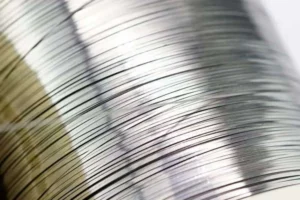
How Does a Stainless Steel Wire Flattening Machine Work?
The flattening process follows a sequential, automated workflow to ensure precision and efficiency:
Step 1: Wire Loading
Raw round stainless steel wire (AISI 304, 316L, or other grades) is loaded onto the double-head payoff system. The wire is fed into the straightening unit, where rollers remove bends and kinks.
Step 2: Flattening
The straightened wire enters the tungsten carbide flattening rollers. The gap between rollers is pre-set to the target thickness, and consistent pressure is applied to compress the wire into a flat shape. The rollers’ rotation pulls the wire through smoothly, ensuring uniform flattening along its entire length.
Step 3: Cooling
As the wire exits the flattening rollers, the cooling system activates to dissipate heat. This prevents thermal damage and maintains the wire’s mechanical properties (e.g., tensile strength, corrosion resistance).
Step 4: Secondary Straightening & Cutting
The flattened wire passes through a secondary straightening unit to correct any minor deviations. The cutting unit then trims the wire to the desired length, guided by the electronic control system.
Step 5: Quality Control & Collection
Throughout the process, sensors monitor dimensional accuracy (thickness, width, straightness) and surface quality. Data is archived for traceability, and the machine self-adjusts if parameters fall outside specifications. The finished flat wire is collected in spools or stacks for further processing (e.g., polishing, coating) or packaging.
Industrial Applications of Stainless Steel Wire Flattening Machines
Stainless steel flat wire—produced by these machines—offers a unique combination of strength, corrosion resistance, and flexibility, making it indispensable across industries:
1. Automotive Industry
Flat stainless steel wire is used to manufacture:
- Wiper blades (durability against weathering)
- Springs (suspension components, seat belts)
- Electrical connectors (corrosion resistance for under-hood use)
2. Construction Industry
- Reinforcing wires (strengthen concrete structures, bridges, and buildings)
- Mesh panels (facade cladding, security screens)
- Fasteners (rust-resistant bolts, nails)
3. Electronics Industry
- Connectors and terminals (high conductivity + corrosion resistance)
- Battery components (stable performance in high-temperature environments)
- Micro-components for smartphones, laptops, and wearables
4. Medical Industry
- Surgical instruments (biocompatible 316L stainless steel)
- Orthopedic implants (e.g., bone plates, screws)
- Catheters and guidewires (flexible yet strong)
5. Textile Industry
- Flat wires for weaving/knitting machines (durability for high-speed operation)
- Fabric reinforcements (industrial textiles, geotextiles)
Why Choose a Specialized Stainless Steel Wire Flattening Machine?
Generic wire flattening machines may fail to handle stainless steel’s unique properties (e.g., hardness, tendency to work-harden). Specialized models offer:
- Precision: Tight tolerances (±0.002mm for fine wire) to meet industry standards
- Durability: Tungsten carbide rollers and robust cooling systems for long service life
- Versatility: Compatibility with 304, 316L, and other stainless steel grades
- Compliance: Safety and quality features aligned with automotive/medical regulations
Conclusion
Stainless steel wire flattening machines are essential for converting round stainless steel wire into high-quality flat wire—powering critical applications in automotive, medical, construction, and electronics. With core components like double-head payoff systems, tungsten carbide rollers, and advanced control systems, these machines deliver precision, efficiency, and consistency. Whether you’re processing AISI 304 for general use or 316L for medical devices, a specialized wire flattening machine ensures your flat wire meets the strictest dimensional and quality requirements.