Introduction: The Critical Role of Surface Quality
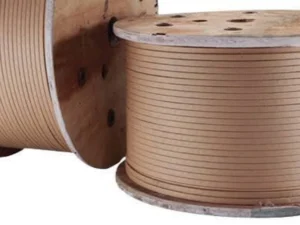
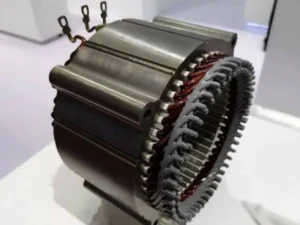
Enamelled flat wire is indispensable in high-performance electrical components such as transformers, motors, and solenoids. Surface quality is not just a cosmetic issue—it directly impacts insulation adhesion, electrical performance, and long-term reliability. Even microscopic imperfections can compromise enamel coating, increase rejection rates, and lead to costly downtime.
Recent industry analyses emphasize that identifying and addressing surface defects early in the production process is key to maintaining both yield and product performance. However, achieving consistent quality requires a deeper understanding of the interaction between rolling, annealing, and surface treatment processes, along with precise process control.
Common Surface Defects and Their Causes
Scratches and Abrasions
Scratches are among the most frequently observed defects. They often occur during the drawing and rolling stages, caused by die wear, improper lubrication, or contact with abrasive surfaces. U.S. production data indicates scratched surfaces can reduce insulation resistance by up to 15%.
Preventive strategies:
- Use wear-resistant dies with polished surfaces.
- Maintain a consistent lubrication regime.
- Conduct frequent visual inspections and laser scanning of guides.
Dents and Indentations
Dents typically originate from uneven tension, misaligned rollers, or sudden changes in rolling speed. Dents can create localized stress points, which lead to enamel micro-cracking during curing or operational stress.
Best practices:
- Employ continuous tension monitoring with inline load cells.
- Ensure roller alignment and parallelism to tight tolerances.
- Implement multi-pass rolling with gradual reduction to avoid sudden stress.
Surface Roughness
Surface roughness impacts enamel adhesion and electrical performance. Maintaining Ra below 0.3 µm improves coating adherence and reduces electrical failures in high-current applications.
Surface roughness not only affects enamel adhesion but also determines electrical performance. Micro-pitting, often overlooked, can trap air during coating, forming pinholes that reduce dielectric strength. Micro – defects are caused by inconsistent rolling or contaminated rolls. Advanced lines measure surface roughness in real – time, targeting Ra below 0.3 µm for high – reliability applications.
Optimization tips:
- Skin-pass rolling to smooth minor surface irregularities.
- Clean rollers regularly to prevent contaminant transfer.
- Control rolling speed and reduction ratio carefully to minimize surface deformation.
Oxidation and Contaminants
Oxidation during annealing or improper handling creates micro – layers that interfere with enamel bonding. Contamination from lubricants, dust, or metal particles further exacerbates adhesion problems. Studies in U.S. facilities show that contaminated wires have a 20% higher rejection rate. Inert gas atmospheres and controlled cooling rates are standard for premium enamelled wire.
Mitigation strategies:
- Maintain clean, oxygen-controlled annealing environments.
- Use inline cleaning stations for rollers and wire guides.
- Implement surface inspections with optical or SEM tools.
Process Control for Surface Quality
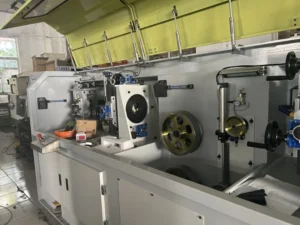
Flat wire lines increasingly rely on integrated process monitoring to ensure consistent surface quality:
- Tension uniformity: Prevents dents and stretches.
- Roller alignment: Minimizes scratches and uneven edges.
- Rolling reduction per pass: Optimized to balance surface finish and throughput.
- Annealing precision: ±2°C with controlled atmosphere for stress relief without oxidation.
Real-time feedback loops allow operators to adjust parameters immediately, reducing defects before enamel coating.
Material Considerations and Coating Compatibility
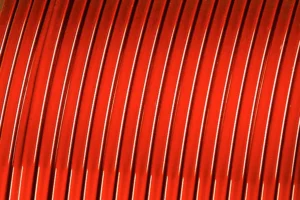
Surface quality challenges vary depending on the base material, as each metal behaves differently during rolling and annealing. High-conductivity copper, for example, is soft and prone to scratches, requiring controlled tension and clean surfaces to maintain a defect-free finish. Stainless steel and nickel alloys, on the other hand, are more susceptible to micro-cracks if rolling or annealing is uneven, making precise thermal management critical to reduce residual stress. Proper surface preparation is also essential for high-temperature enamel coatings, ensuring that the enamel adheres correctly even on specialty alloys and maintaining consistent electrical and mechanical performance.
Conclusion: Expertise in Precision Flat Wire Rolling
Sky Bluer Environmental Technology Co., Ltd. specializes in designing and manufacturing high-precision rolling equipment capable of producing enamelled flat wire from a wide range of materials—including various stainless steel grades, copper alloys, and specialty metals. Our machines support wire widths from 0.5 mm to 20 mm, thicknesses from 0.05 mm to 2 mm, and R-radius edge configurations from 0.05 mm to 0.5 mm. By combining advanced process control with robust rolling technology, our rolling equipment helps manufacturers consistently produce high-quality, defect-free enamelled flat wire suitable for motors, transformers, and precision electrical components.
We offer unique customized models that perfectly meet your enameled copper flat wire production requirements. Contact us now – our professional team is ready to assist you at any time!