In metal manufacturing, a metal rolling mill is an essential machine for transforming raw metals into precise wires, rods, sheets, and strips. Whether you are processing steel, aluminum, copper, or specialty alloys, rolling mills help achieve tight dimensional tolerances, stable mechanical properties, and consistent surface quality. At Precision Rolls (Sky Bluer Environmental Technology Co., Ltd), we design complete rolling solutions—from precision rolls and turkshead machines to automation and inspection systems—so manufacturers can maximize efficiency and product consistency. For wire profile processing, our Wire Flattening and Shaping Lines are widely used for producing high-quality flat and shaped wire with stable thickness control.
What Is a Metal Rolling Mill?
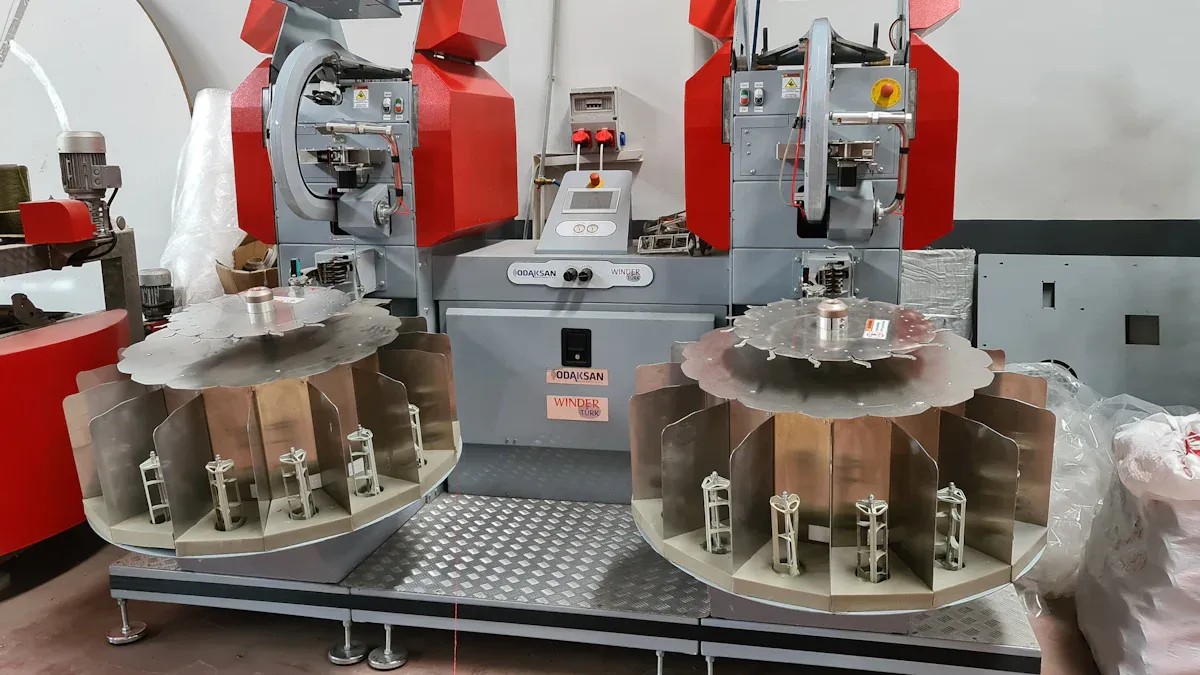
A metal rolling mill uses rotating rolls to apply controlled pressure, reducing thickness and shaping metal into the desired form. Rolling can be performed as hot rolling (above recrystallization temperature) or cold rolling (at or near room temperature), depending on material requirements and final product specifications.
Functions of Metal Rolling Mills
Metal rolling mills are designed to transform raw metal materials into usable industrial products with precision and efficiency. Beyond shaping and sizing metals, rolling can enhance properties such as strength, ductility, and uniformity through controlled deformation. Modern rolling mills also improve productivity by integrating automation, online monitoring, and closed-loop control to reduce scrap and stabilize output quality.
Dimensional accuracy: Uniform thickness/diameter and tight tolerances.
Surface quality: Smoother finishes and improved appearance for downstream processes.
Mechanical performance: Work hardening (cold rolling), grain refinement (hot rolling), and better consistency.
High efficiency: Continuous rolling and automation reduce labor and material waste.
Types of Metal Rolling Mills
Rolling mills come in different configurations based on product form, reduction schedule, and precision requirements:
1) By Rolling Temperature
Hot Rolling Mills: Ideal for large reductions and high throughput; often used for billets, slabs, and roughing stages.
Cold Rolling Mills: Used for precise final dimensions, superior surface quality, and improved hardness/strength.
2) By Stand & Roll Arrangement
2-High and 3-High Mills: Simple, robust configurations for general reduction and shaping tasks.
4-High Mills: Common for strip and sheet rolling; smaller work rolls supported by backup rolls for higher precision.
Cluster / Sendzimir Mills: Multiple backup rolls enable ultra-thin strip rolling and high rigidity.
Tandem Mills: Multiple stands in series for continuous high-speed rolling with consistent reductions.
3) By Product Focus (Wire, Rod, Strip, Profiles)
For wire and profile rolling, specialized solutions (including turkshead and precision roll systems) are used to produce flat wire, shaped wire, and customized profiles. If you are producing stainless flat wire, a dedicated Stainless Wire Flattening Machine can significantly improve thickness stability and surface finish.
Function of Rolls in a Metal Rolling Mill

The rolls are the core components that directly shape and process metal materials. They apply controlled pressure to transform billets, rods, or wires into the desired thickness, width, or profile while maintaining dimensional accuracy. Rolls also contribute to surface quality and mechanical property consistency. Supported by the transmission system and aided by lubrication and cooling, precision roll design helps ensure stable rolling, reduced vibration, and long service life.
Core Systems That Improve Rolling Quality
Roll Gap Adjustment: Manual vs. Servo
Roll adjustment plays a key role in achieving precise thickness and dimensional accuracy:
Manual Adjustment: Simple and cost-effective; suitable for basic applications where frequent changeovers are not required.
Servo Adjustment: Motorized positioning enables high precision, repeatability, and faster setup—ideal for high-end products and tighter tolerances.
Role of Tension Control in a Metal Rolling Mill
Tension control is essential to maintain uniform wire, rod, or strip dimensions and prevent stretching, sagging, or deformation between stands. By regulating tension from stand to stand and between the rolling mill and take-up (coiling) machine, manufacturers can improve stability and reduce defects, especially during high-speed production.
Role of Online Laser Measurement
Online laser measurement systems continuously monitor thickness, diameter, or profile during rolling. Real-time feedback allows immediate adjustments to roll gap, speed, and tension, reducing waste and improving consistency. This is especially valuable for precision products such as flat wire and shaped profiles.
Production Process of Metal Rolling Mills
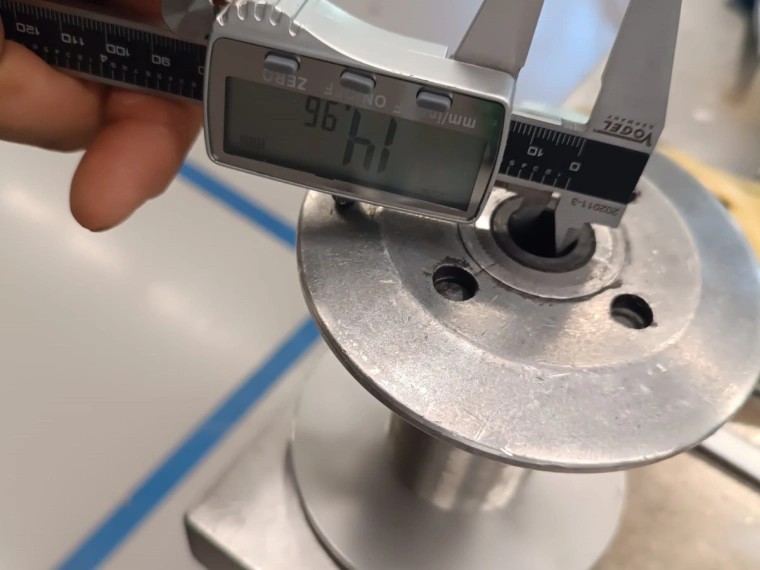
A typical rolling process involves carefully coordinated stages to transform raw metal into finished products:
Material preparation: Billets, rods, or coils are prepared; hot rolling may require heating to target temperature.
Rolling reduction: Material passes through one or multiple stands, where controlled pressure reduces thickness and shapes the profile.
Lubrication & cooling: Stabilizes temperature, reduces friction, and protects roll surfaces.
Online measurement & control: Laser gauges and sensors support closed-loop corrections for stable dimensions.
Finishing: Straightening, polishing, cutting, and final inspection before packaging.
Applications of Metal Rolling Mills
Rolling mills support a wide range of industries—from construction and automotive to electronics and medical devices. In wire processing, typical applications include flat wire, shaped wire, customized profiles, and preforms for downstream drawing or forming.
Flat wire production: Springs, wiper inserts, hose clamps, sealing strips, and reinforcing elements.
Shaped wire & profiles: Z-shape, trapezoid, D-shape, and custom profiles for specialized components.
High-volume automation: Continuous production lines with stable tension and measurement.
For automated high-throughput production, many manufacturers choose a Full Automatic Wire Flattening Machines Manufacturer solution to reduce labor, speed up changeovers, and stabilize quality across long production runs.
When combining flattening and profiling in one workflow, our Wire Flattening and Shaping Lines provide a complete approach for consistent thickness control and profile accuracy.
For profile forming and customized cross-sections, a dedicated Wire Shaping Line helps maintain stable geometry, smooth surfaces, and reliable repeatability across different metal grades.
FAQ – After-Sales Service for Rolling Mills
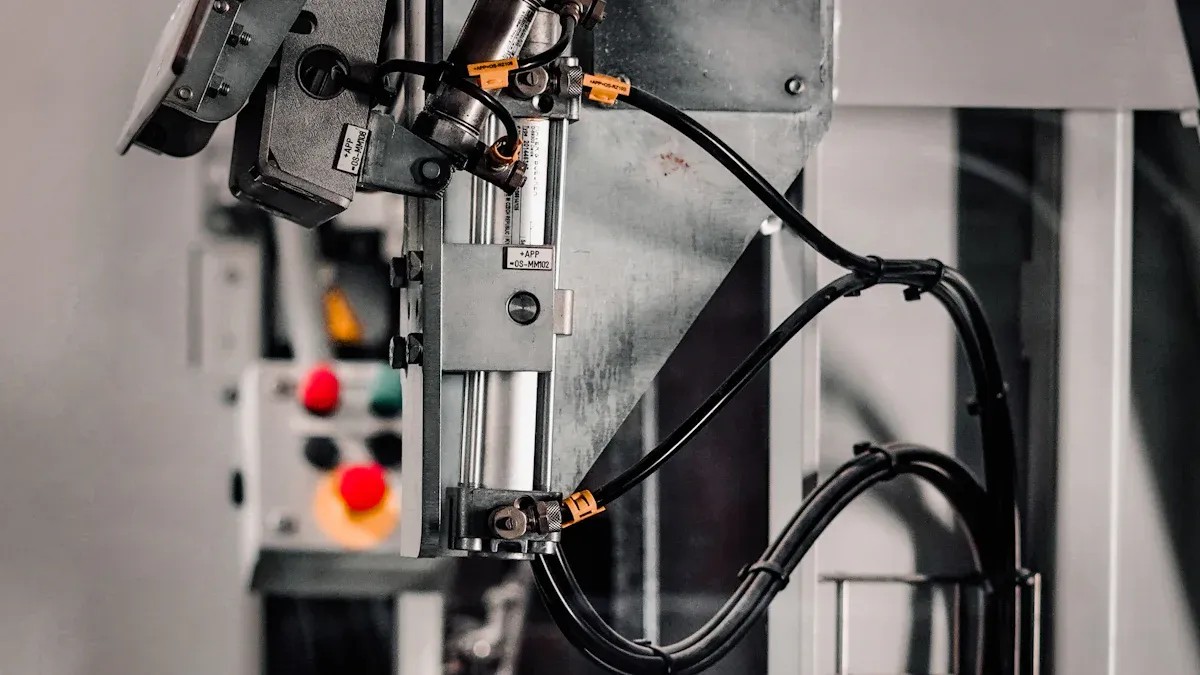
What warranty is provided?
Our rolling mills typically include a standard warranty covering key parts and technical support to ensure reliable long-term operation.
Do you provide on-site installation and commissioning?
Yes. Engineers can be dispatched to support installation, commissioning, and initial operator training. This is especially helpful for complex systems such as a stainless steel wire flattening solution with tight tolerance requirements.
Is technical support available after purchase?
Yes. Remote support via phone, email, or video is available to help diagnose issues quickly and reduce downtime.
Do you supply spare parts and maintenance services?
Genuine spare parts and preventive maintenance programs are available to keep your rolling mill operating at peak performance.
Can you provide operator and maintenance training?
Yes. We provide training for safe operation, process optimization, and daily maintenance routines.
What is the response time for urgent requests?
Urgent cases are prioritized with rapid remote guidance and, when needed, on-site service scheduling to minimize production interruption.
Conclusion
Metal rolling mills are indispensable for producing high-precision wires, rods, strips, and profiles across modern manufacturing. By combining robust mill construction with servo adjustment, tension control, and online laser measurement, manufacturers can achieve consistent dimensions, improved surface quality, and stable mechanical performance. As a supplier of complete wire processing solutions—including wire flattening and shaping lines, precision rolls, turkshead machines, and drawing equipment—Precision Rolls (Sky Bluer Environmental Technology Co., Ltd) supports customers from project design through commissioning and after-sales service. If you are expanding capacity or upgrading quality, explore an automatic wire flattening machine manufacturer solution and contact us to match the right configuration to your production goals.
Contact Us:
